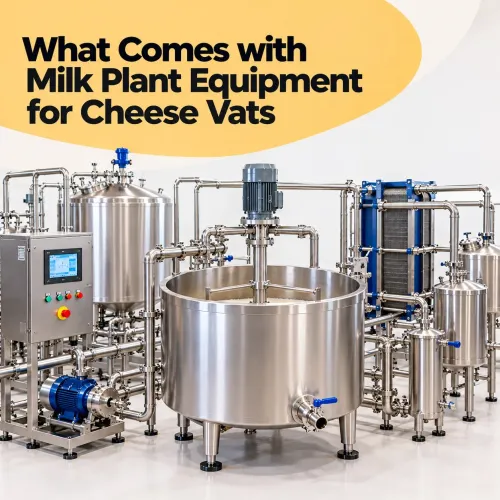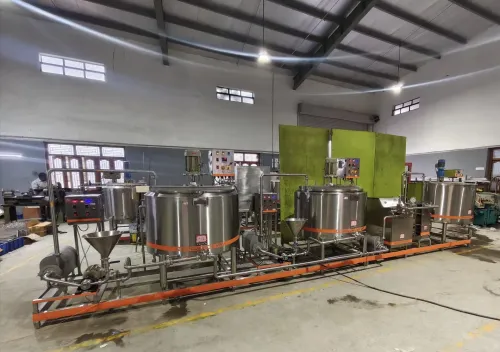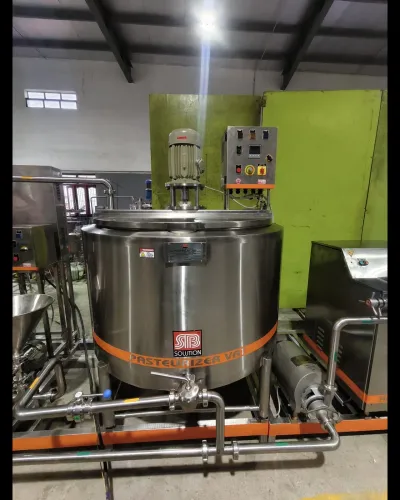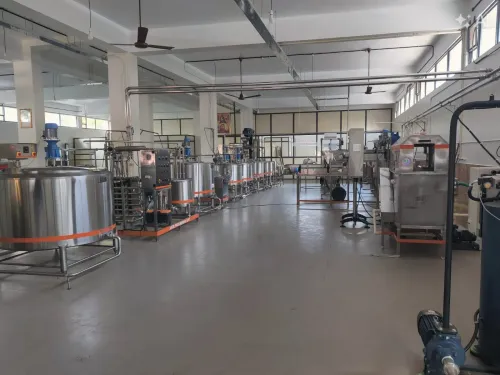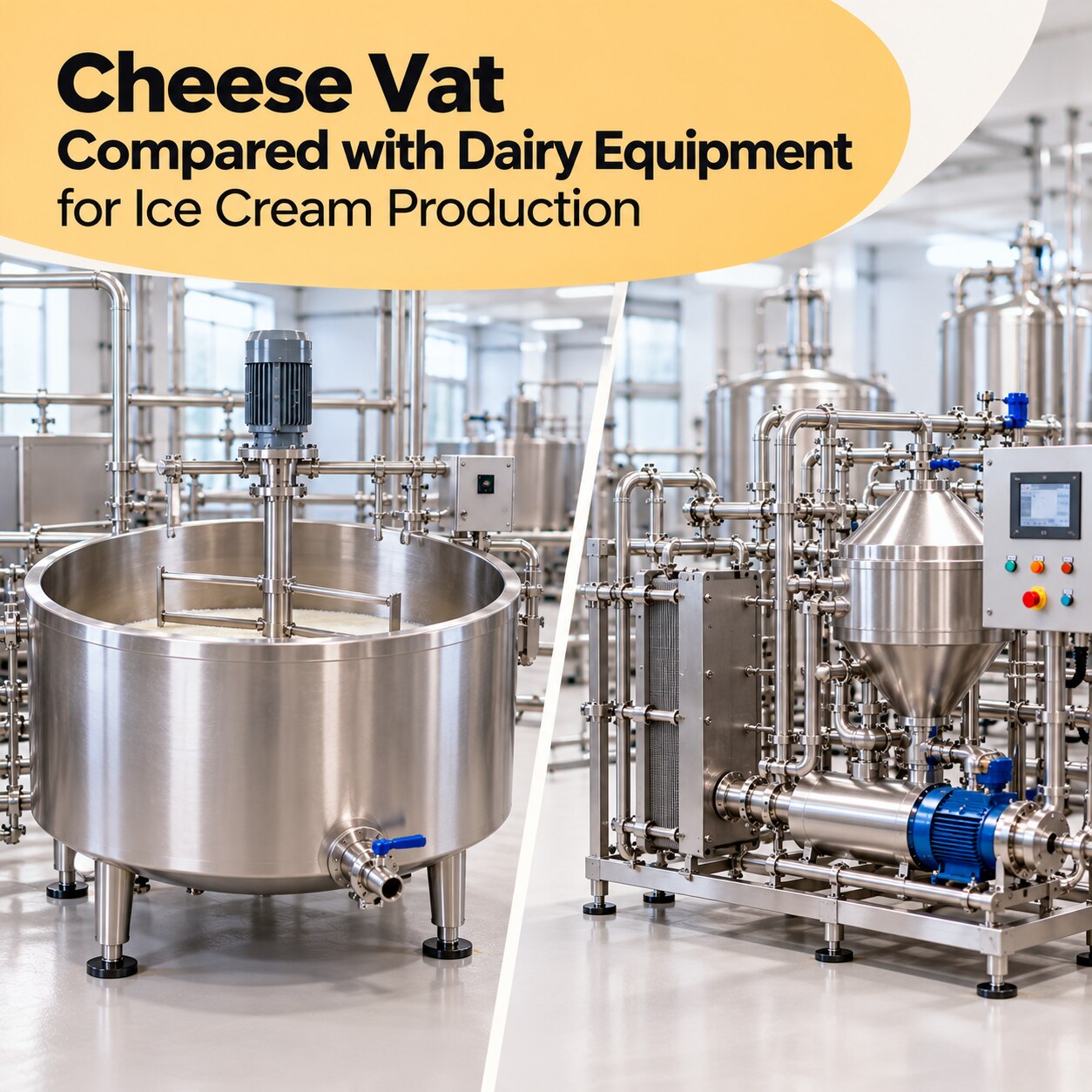
A cheese vat and an ice cream line both handle dairy ingredients, but they create different products through different mechanical and thermal stages. By comparing the process sequence, vessel design, capacity, sanitation and utilities, you can decide whether a cheese vat can support your recipe or whether you need dedicated ice cream production equipment.
Key takeaways
- A cheese vat separates curd and whey; an ice cream line freezes and aerates mix.
- Check agitation, temperature control, cooling rate, hygienic design and product-contact materials.
- One vessel can serve both products only with validated cleaning and process controls.
- Specify capacity, batch time, heating, cooling, scraping and downstream equipment before requesting quotes.
What process does each machine perform?
The two machines overlap at mixing, heating and holding, but they complete different processes. Ice cream production equipment builds a smooth, aerated frozen product; a cheese vat converts milk into curd and whey.
1. Ice cream begins with ingredient blending. Combine milk, cream, sugar, stabilizers and emulsifiers, then pasteurise the mix at about 80–85 °C for 15–30 seconds in a continuous process, or 69–71 °C for about 30 minutes in a batch process.
Validate the legal schedule for your jurisdiction and formulation; a cheese-vat heating cycle does not automatically meet it.
2. Homogenisation follows pasteurisation. A pressure homogenizer disperses fat into smaller globules, improving emulsion stability, body and meltdown resistance. Cool the mix to roughly 2–5 °C, then age it for at least four hours, often overnight, so proteins and stabilizers hydrate and fat partially crystallises.
3. A dynamic freezer then removes heat with a refrigerated scraped surface and dasher while incorporating controlled air. Fill the semi-frozen product and harden it in a cabinet that removes additional heat.
4. Cheese-making follows a different path: heat milk, add cultures or coagulant, agitate gently, cut the curd with a knife or harp, and drain or transfer whey. The vat’s agitator protects curd structure; it does not provide homogenisation or continuous frozen-dessert freezing.
5. A cheese vat can blend liquid ice cream premix, heat it and hold it when its jacket, controls and agitator suit the recipe. It cannot replace a validated pasteuriser, pressure homogenizer, ageing system, scraped-surface freezer or hardening cabinet.
How does a cheese vat compare with an ice cream line?
A cheese vat and an ice cream line are not interchangeable: the vat can blend, heat or hold mix, but it cannot create ice cream’s fat dispersion, frozen structure or hardened finish.
| Equipment | Working action | Product outcome |
|---|---|---|
| Cheese vat | Gentle agitation, heating, curd cutting and whey handling | Protects curd particles; excessive shear creates fines in the whey |
| Two-stage homogenizer | Pressure-driven dispersion at about 100–250 bar | Smaller fat globules, improved emulsion stability, body and meltdown resistance |
| Dynamic freezer | Refrigerated scraped surface and dasher remove heat while freezing water and adding controlled overrun | Fine ice crystals and the intended air-cell texture |
| Ageing vat | Chilled residence time with controlled agitation | Hydrates proteins and stabilizers and partially crystallises fat |
| Hardening cabinet | Rapidly removes heat after filling | Sets the finished product for storage and distribution |
The gentler cheese-vat agitator moves milk without applying the pressure needed to disperse fat. Its operating goal conflicts with the high-shear dispersion and continuous heat removal required by ice cream equipment.
Freezer refrigeration capacity, dasher design, draw temperature and air-injection control determine overrun and ice-crystal size. A batch pasteurizer supplies the validated heat treatment; an ageing vat holds mix at about 2–5 °C for at least four hours, often overnight, before freezing.
This dairy equipment comparison therefore points to a linked plant: blending, pasteurisation, homogenisation, ageing, freezing, filling and hardening. A cheese vat may cover blending or holding, but it cannot replace pressure homogenisation, continuous freezing or final hardening.
Which specifications determine whether one vessel will work?
A vessel will work only if its working volume, thermal performance, mixing power and residence time match the ice cream recipe, not merely its gross litre rating. Leave headspace for foaming, agitation and powder additions.
| Option | Specification test | Buying implication |
|---|---|---|
| Cheese vat | Working volume, curd hardware, agitator torque and drainability | Suitable for premix only when it handles the recipe’s solids and viscosity |
| Batch pasteurizer | Heating curve, temperature accuracy, residence time and recording | Suitable for validated batch heat treatment |
| Ageing vat | Chilled control, gentle agitation and at least four hours’ residence | Required for hydration and partial fat crystallisation |
| Complete ice cream plant | Mix throughput, freezer draw rate, overrun and hardening capacity | Compare the whole process, not one vessel’s nominal size |
Use this dairy equipment comparison checklist before accepting a quotation:
- Identify whether the jacket uses steam, hot water, chilled water or a refrigeration system, then request heating and cooling curves under the actual recipe load.
- Confirm sensor location, control accuracy, alarm limits and recorded data.
- Match agitator torque and speed to sugar, stabilizer, emulsifier and total-solids levels. A water-equivalent capacity rating does not prove that powders will disperse without lumps or stagnant zones.
- Ask how powders enter the mix, and confirm that the outlet and transfer line drain fully.
- Compare batch residence time with the pasteurisation schedule and four-hour minimum ageing requirement.
- For the freezer, request draw temperature, overrun range, refrigeration duty and hourly output.
- For hardening, check cabinet capacity, air temperature, product dwell time and loading pattern.
- Confirm available steam, electrical power, chilled water, compressed air, floor space and allowance for production growth.
Can one vessel make both cheese and ice cream safely?
1. A cheese vat can safely make ice-cream premix when the recipe is simple, the agitator handles its viscosity and separate equipment performs homogenisation, ageing, freezing and hardening. It is a support vessel, not a complete ice-cream line.
2. Treat sanitation as the deciding risk. A cheese-vat wash cycle does not prove that the ice-cream mix line is clean, especially after milk solids, cultures, enzymes, stabilizers, flavourings or allergens have entered the system.
3. Before sharing the vessel, request hygienic product-contact surfaces, sloped and drainable pipework, accessible inspection points, sanitary weld finishes and validated CIP coverage. Confirm cleaning chemical compatibility, spray-device coverage, return-flow velocity, rinse verification and manual-cleaning access where CIP cannot reach.
4. Inspect the parts that retain curd soil: curd knives, agitator shafts, mechanical seals, outlet valves and vessel corners. Check the cleanable outlet, hose, pump and transfer path too; a clean vessel cannot compensate for contamination downstream.
5. Schedule production by allergen and flavour profile, then document a pre-operation inspection before switching products. Record the batch, cleaning cycle, inspection result and release decision so a residue problem can be traced.
6. Expect extra transfer time and changeover labour, plus a higher risk of product-quality defects from residual cultures, enzymes, stabilizers or flavour. Use dedicated contact parts when the sanitation risk or cleaning cost exceeds the saving from sharing the vessel.
7. Do not share the vessel if its outlet or pipework cannot drain fully, its CIP coverage is unvalidated, or the agitator cannot maintain the mix without scorching, foaming or stagnant zones. A separate cheese vat and ice-cream system then provides the safer process.
How should you choose and specify the equipment package?
Choose a cheese vat as a support vessel when production is intermittent, batches are modest and you accept separate homogenisation, ageing, freezing and hardening. Choose a dedicated batch pasteurizer and ageing vat when repeatable heat treatment and chilled residence time matter more than the lowest equipment count.
Specify a complete plant when you need continuous output, consistent overrun, shorter transfers, automated recipes or new filling formats.
| Option | Specify it when | Main limitation |
|---|---|---|
| Cheese vat | Intermittent, modest batches | Does not replace homogenizer, freezer or hardening system |
| Batch pasteurizer plus ageing vat | Repeatable heating and chilled holding | More equipment and transfer steps |
| Complete ice cream plant | Continuous production and expansion | Higher installation and utility demands |
Give every supplier the same process brief:
- Recipe, solids content and viscosity
- Batch size and target hourly output
- Draw temperature and overrun
- Cleaning method and validation points
- Steam, electrical power, chilled water and compressed-air availability
- Floor space and expansion forecast
Request a process-flow quotation listing the ingredient mixer, pasteurizer, homogenizer, ageing tank, freezer, filling machine and hardening system as separate items. Compare working volume, not gross vessel volume; headspace prevents foaming, powder spillover and poor agitation.
When searching for dairy equipment in Coimbatore or a cheese vat supplier in Kannampalayam, use these specifications instead of comparing litre ratings alone. A proposal from Select Best Solution earns consideration only when it covers every process stage, utility connection and cleaning requirement.
Related products
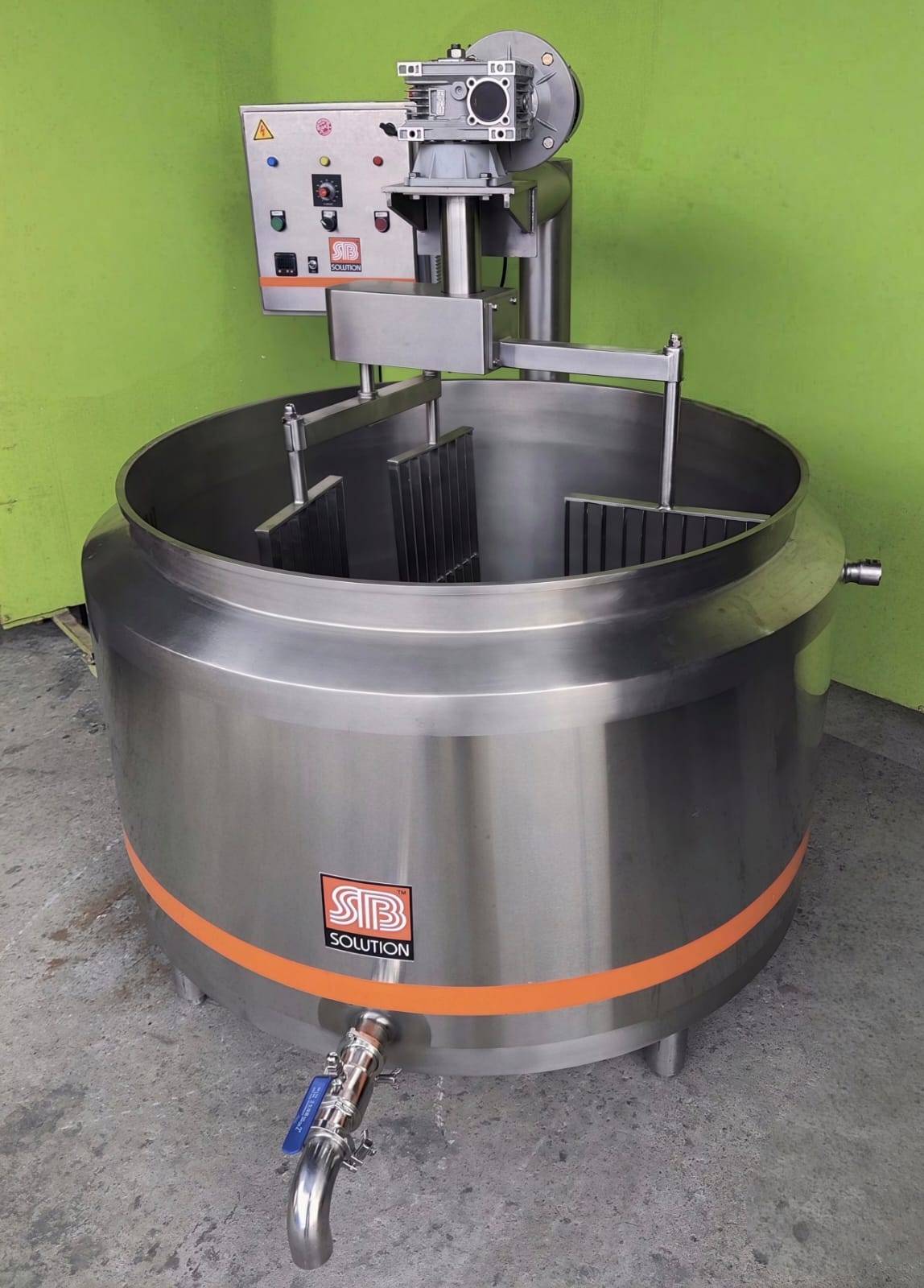 | Cheese Vat Manufacturers in Coimbatore - select best solution coimbatore View product → |
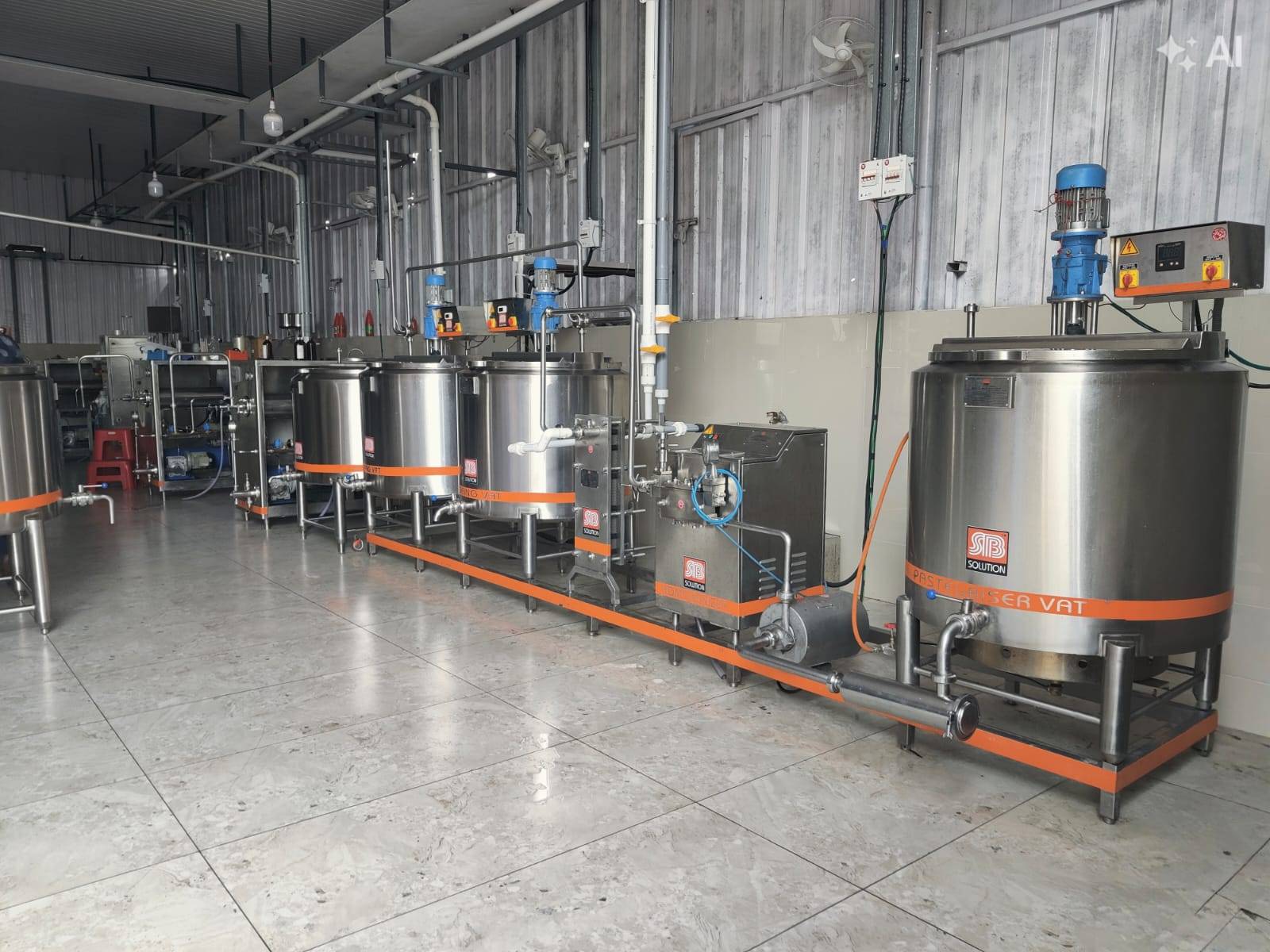 | Ice Cream Plant manufacturer in Coimbatore - select best solution coimbatore View product → |
Frequently asked questions
What process does a cheese vat perform compared with ice cream equipment?
A cheese vat heats and agitates milk, adds cultures or rennet, and supports curd formation before whey drainage. Ice cream equipment blends, pasteurises, homogenises, ages, freezes and aerates the mix.
How does a cheese vat compare with an ice cream production line?
A cheese vat is centred on curd development and whey separation. An ice cream line requires additional equipment for homogenisation, mix ageing, dynamic freezing, air incorporation and hardening.
Can one vessel make both cheese and ice cream safely?
One vessel can support both processes only when its agitation, heating, cooling, clean-in-place system and controls meet both process requirements. Validate cleaning between products.
Which specifications determine whether one vessel will work?
Compare working volume, temperature range, heating and cooling rates, agitator speed, scraper design, drain arrangement, surface finish, control accuracy and clean-in-place coverage.
How should you choose and specify a dairy equipment package?
State the product recipes, batch size, hourly output, process temperatures, hold times, cleaning method and downstream steps. Then match the vessel with pasteurisers, homogenisers, freezers, fillers or cheese-handling equipment.
Related product
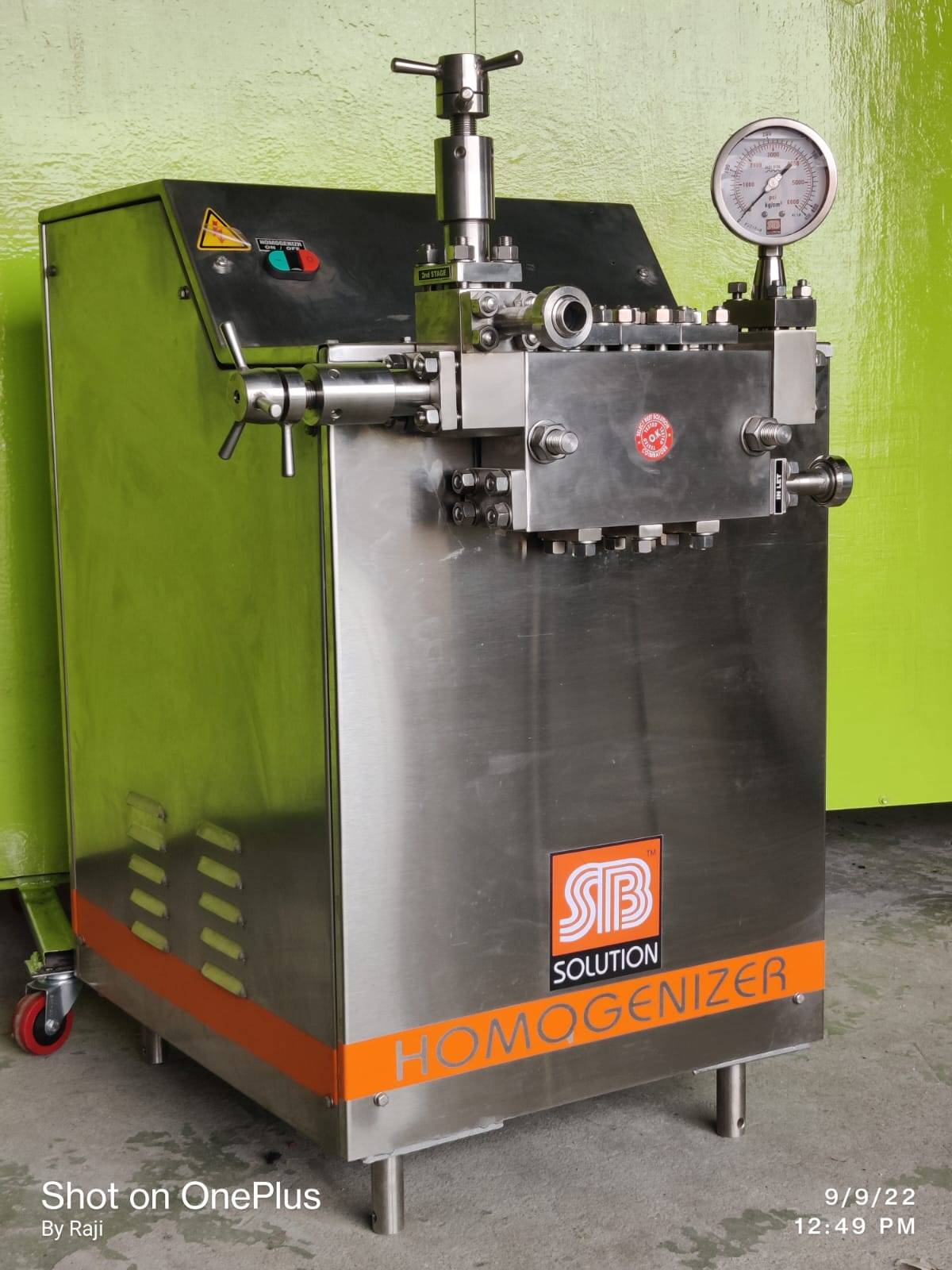 | Homogenizer Machine Manufacturers in Coimbatore - select best solution coimbatore View product → |
Keywords