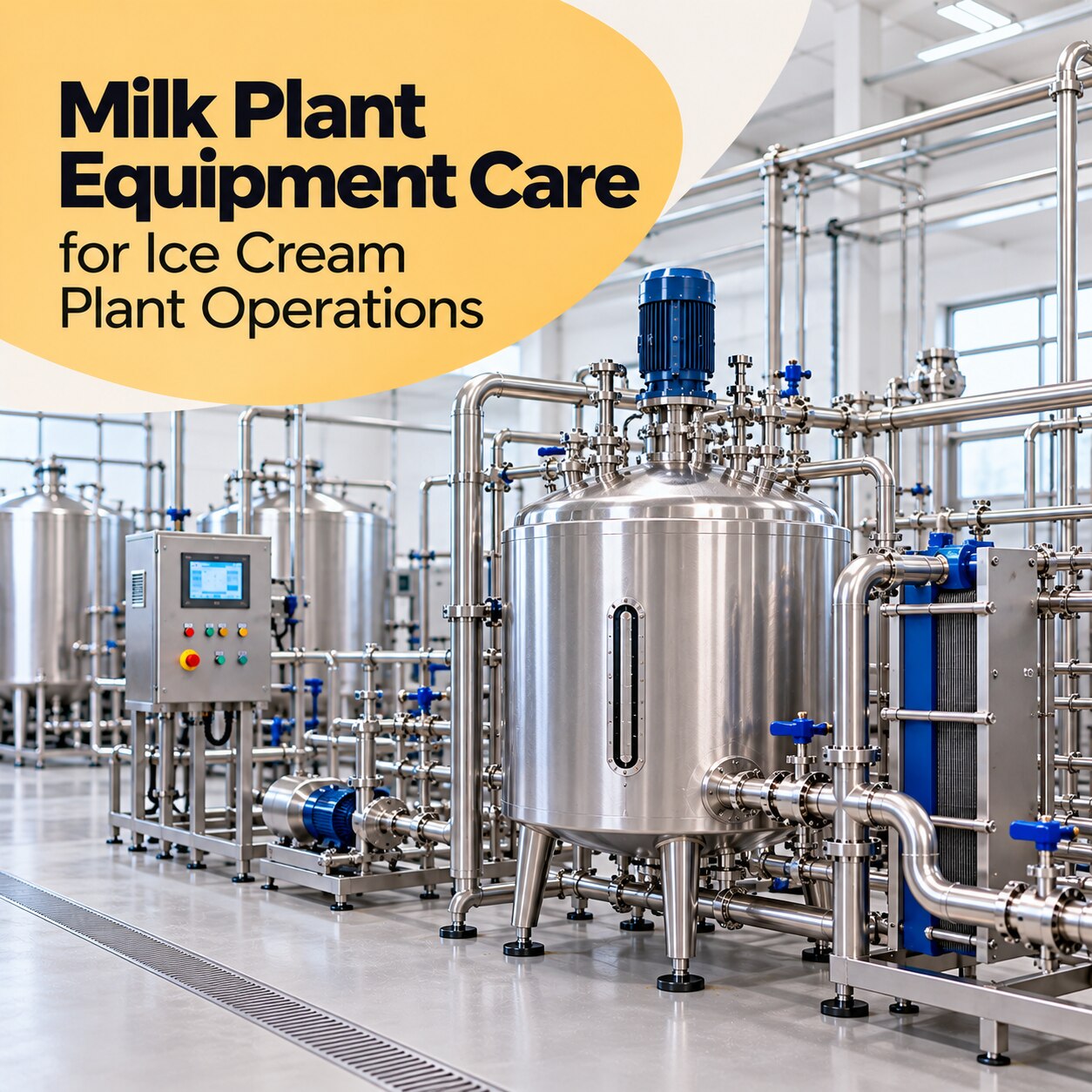
Ice cream mix can leave fat, protein, sugar and moisture in every product-contact surface, while a small seal leak or temperature error can turn a clean-looking line into a food-safety failure. A disciplined routine lets you inspect the full process circuit, validate cleaning, schedule wear-part replacement and stop safely when equipment or product conditions fall outside control limits.
Key takeaways
- Inspect the full product circuit for dead legs, drainability and inaccessible valve cavities.
- Verify CIP results with time, temperature, chemical concentration and flow records.
- Schedule maintenance by operating hours and risk, not calendar dates alone.
- Stop production when leaks, failed seals or unsafe refrigeration conditions threaten product safety.
Map the Complete Product Circuit Before You Inspect It
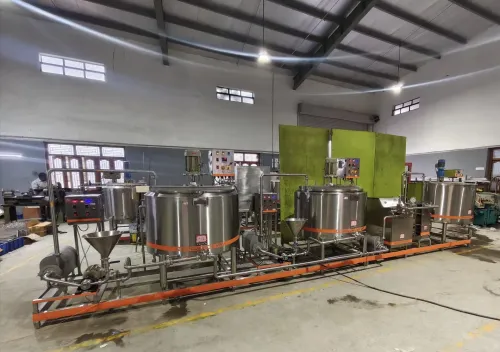
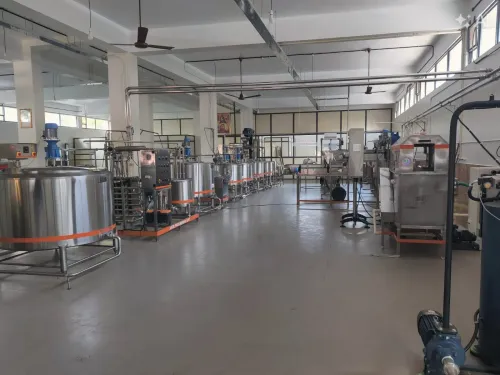
Inspect the entire product path as one hygienic circuit: milk reception, mix preparation, pasteurization, homogenization, ageing, freezing, filling and cold storage. A milk plant equipment care routine fails if it checks motors but misses a dead leg, undrainable pipe or inaccessible valve cavity.
Trace the circuit in this order:
- Receiving tanks, filters, hoses and transfer pumps: check foreign material, milk residue, pump mechanical seals, strainers, pressure gauges and drainability.
- Mix tanks and pipelines: inspect agitator seals, valve seats, diaphragms, actuator seals, welds, low points and unused branches where product can stand.
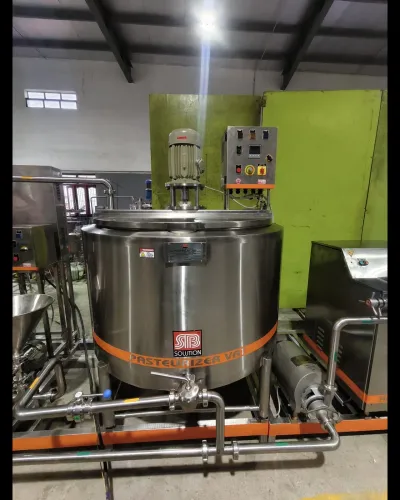
- Pasteurizer and homogenizer: check heat-exchanger plates and gaskets for leakage between circuits, temperature probes, pressure readings, safety interlocks and product ingress around seals.
- Ageing tanks: inspect insulation, agitators, outlet valves, tank bottoms and any residual mix after draining. Do not hold residue beyond the plant’s validated sanitation limit.
- Scraped-surface freezer: examine scraper blades, pins, barrel surfaces, seals and bearings for scoring, wear, altered blade clearance and fragments. Worn blades reduce heat transfer and raise draw temperature.
- Filler and cold store: inspect manifolds, nozzles, seals, conveyors, product-contact cavities, room temperature and evaporator condition.
Ice cream plant care also includes refrigeration: condenser fouling, blocked filters, evaporator icing, water-side scale and unstable expansion-valve control can reduce freezing capacity. After opening any product-contact part, record parts traceability, approved lubricant, reassembly checks and the required re-cleaning step before release.
Validate CIP Instead of Trusting the Programmed Cycle
A programmed cycle proves only that the controller completed its sequence. Effective ice cream plant equipment care requires evidence that every product-contact surface was reached, washed and rinsed; a dead leg or trapped valve cavity can leave soil behind while the equipment remains mechanically sound. Include this verification in milk processing machinery maintenance records:
- Tanks and ageing vats: Confirm full drainage, clean agitator seals, outlet valves and low points; leftover mix can support rapid microbial growth.
- Pipelines: Check flow through elbows, valve seats and branches, then inspect gaskets for swelling, cracks or permanent compression.
- Pasteurizers: Verify heat-exchanger plates, gaskets, temperature probes and divert-valve operation; product ingress between circuits is a stop condition.
- Homogenizers: Clean product passages and inspect diaphragms, seals and pressure components for leakage or residue.
- Scraped-surface freezers: Inspect scraper blades, pins, barrel surfaces, seals and bearings for scoring, wear and changed blade clearance.
- Fillers: Clean manifolds, nozzles, hopper outlets and filler valves; dried product here can contaminate the next batch.
Run the validated sequence: pre-rinse, caustic wash, intermediate rinse, acid wash when the soil or water scale requires it, final rinse and sanitizing. Verify each run by recording time, temperature, chemical concentration or conductivity, flow velocity, return temperature and final-rinse quality. Conductivity confirms chemical strength, not soil removal.
Retain alarms and trend data, and drain, clean and sanitize freezers and ageing vats within the validated product hold-time limit.
Build a Maintenance Schedule Around Risk and Operating Hours
Set intervals by operating hours, cycles, pressure and temperature trends, not by calendar date alone. High-cycle filler valves and freezer scrapers need attention sooner than low-cycle tanks; repeated part replacement without investigating vibration, cavitation or pressure loss hides the real fault.
- Every shift: Check product and utility leaks, pump and homogenizer pressure, pasteurizer and freezer temperatures, alarms, guards and safety interlocks. Drain residual mix from low points, outlet valves, scraper assemblies and filler manifolds within the validated product hold-time limit, then clean and sanitize.
- Daily: Inspect valve seats, diaphragms, actuator seals, mechanical seals, agitator seals and heat-exchanger gaskets for ingress, swelling, cracks or permanent compression. Confirm gauges and temperature probes give plausible readings before releasing the line.
- Weekly: Inspect belts, bearings, couplings, filters, scraper pins, blade clearance and barrel scoring. Apply only approved lubricants, and record abnormal noise, vibration, pressure fluctuation and seal history.
- Monthly: Review hour and cycle counts, trend freezer draw temperature and homogenizer pressure, and calibrate or verify critical gauges, probes and interlocks. Replace elastomers that are difficult to clean, even without a visible split.
- Annually: Complete the manufacturer’s overhaul limits for pumps, homogenizers, freezers, refrigeration equipment and pasteurizers; inspect heat-exchanger plates and drainability across the circuit. After opening any product-contact component, document foreign-material control, parts traceability, reassembly checks and the required re-cleaning or sanitation release.
This risk-based milk plant equipment maintenance schedule catches hygienic failures before they become mechanical breakdowns or contaminated product.
Protect Homogenizers, Freezers and Refrigeration Systems
Texture and overrun depend on stable homogenizer pressure, correct scraper clearance and a refrigeration system that reaches draw temperature without hunting. Track pressure, product temperature and motor load against the manufacturer’s operating limits; rising load or falling capacity signals wear, fouling or restricted flow.
Inspect high-wear freezer parts at the operating-hour interval set by the manufacturer:
- Scraper blades: replace them when edges wear, chip or lose designed clearance.
- Blade pins and barrel surfaces: look for looseness, scoring and metal transfer.
- Product seals and bearings: investigate leakage, heat or vibration before failure.
- Homogenizer valve seats, plungers and seals: check pressure fluctuation, oil contamination and abnormal noise.
A worn blade reduces heat transfer, raises product temperature and can release plastic or metal fragments. Do not increase pressure or tighten clearances to disguise wear; repair the cause and verify the freezer after reassembly.
Keep condensers free of dust and scale, confirm fan airflow or cooling-water flow, and check evaporator icing, filter restriction, refrigerant charge and expansion-valve stability. High condensing pressure wastes energy; unstable evaporator control produces inconsistent draw temperature and overrun.
Treat opening a homogenizer or freezer as hygienic work, not ordinary mechanical work. The work order must record approved lubricant, foreign-material control, part traceability, reassembly checks and the required re-cleaning or sanitation release. Include water-analysis results when setting descaling intervals.
This is milk processing machinery maintenance, and it is central to ice cream plant equipment care.
Use Failure Symptoms to Decide Whether to Adjust, Repair or Stop
A symptom tells you whether to adjust a setting, repair a component, or stop production. Record the pressure, temperature, vibration, alarm history and operating hours before changing anything; repeated part replacement without finding the cause hides failures.
- Pressure fluctuation: check for cavitation, blocked filters, air supply, valve position and gauge accuracy. Adjust only within the manufacturer’s limit; stop if pressure reaches a safety-trip point or the relief valve lifts.
- Poor homogenization: verify mix temperature and homogenizer pressure, then inspect the homogenizing valve, seat and pump for wear. Repair scored parts; do not compensate by raising pressure beyond the rated limit.
- Leaking seals: stop the affected product-contact circuit, isolate it and replace the seal. Re-clean, sanitize and inspect for fragments before release.
- Unstable temperature: check probe calibration, control response, refrigerant charge, condenser airflow and evaporator icing. Stop pasteurization or freezing if the product leaves its validated temperature range.
- Noise: stop a pump or scraped-surface freezer when noise is new, metallic or accompanied by vibration. Inspect bearings, couplings, scraper blades, pins, blade clearance and cavitation.
- Low freezing capacity: check condenser fouling, water-side scale, filters, expansion-valve control and refrigerant charge before adjusting controls. Repair the cause if draw temperature remains high.
- Repeated microbial failures: hold affected product and stop the line. Verify final-rinse water, CIP concentration, flow, contact time, dead legs and valve cavities before restarting.
Use water-analysis results to set descaling intervals in dairy plant machinery care in Coimbatore. Milk plant equipment maintenance should document hygienic reassembly, approved lubricant and re-cleaning. Ask Select Best Solution to include these failure limits in the equipment handover.
Related products
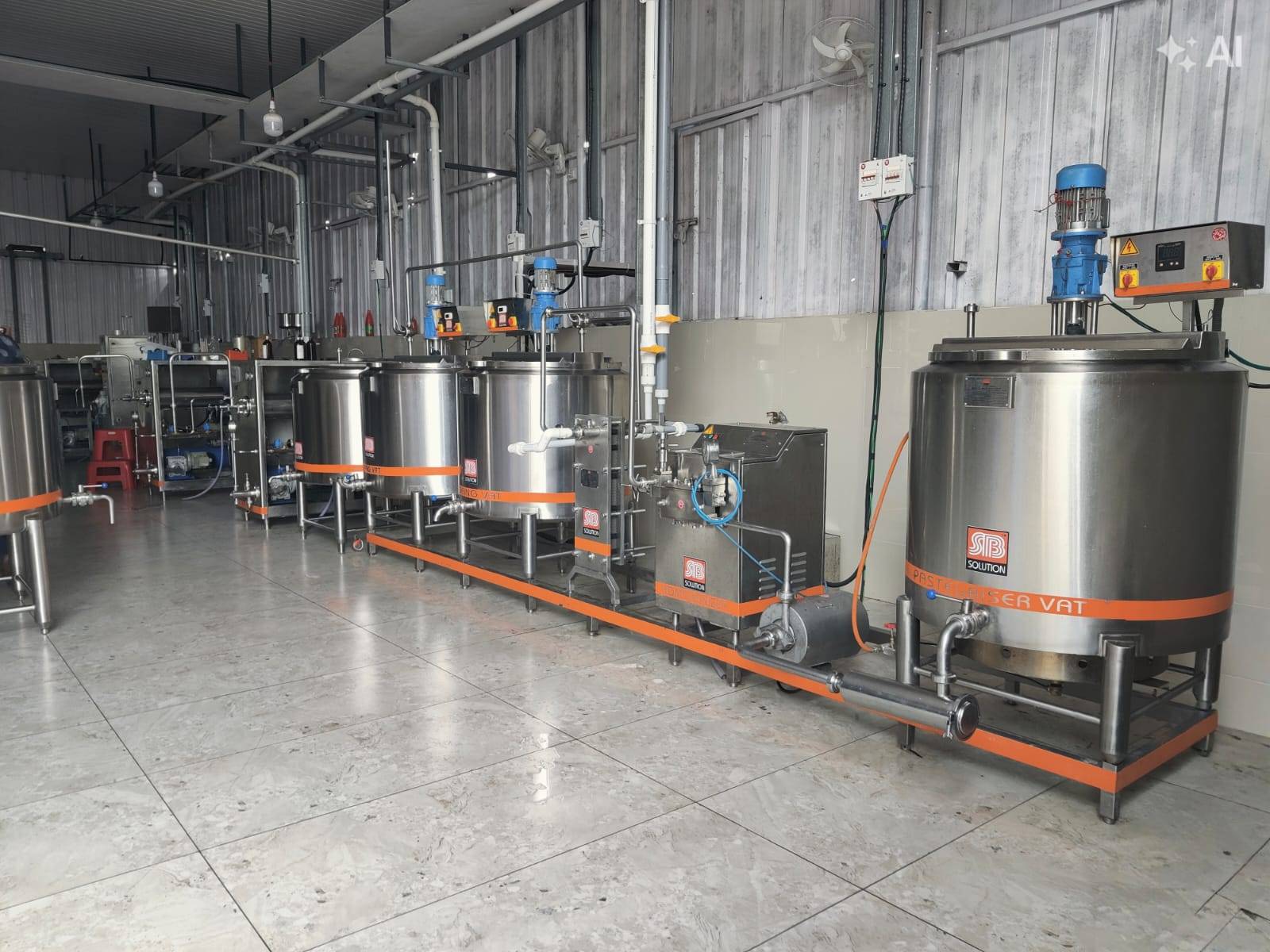 | Ice Cream Plant manufacturer in Coimbatore - select best solution coimbatore View product → |
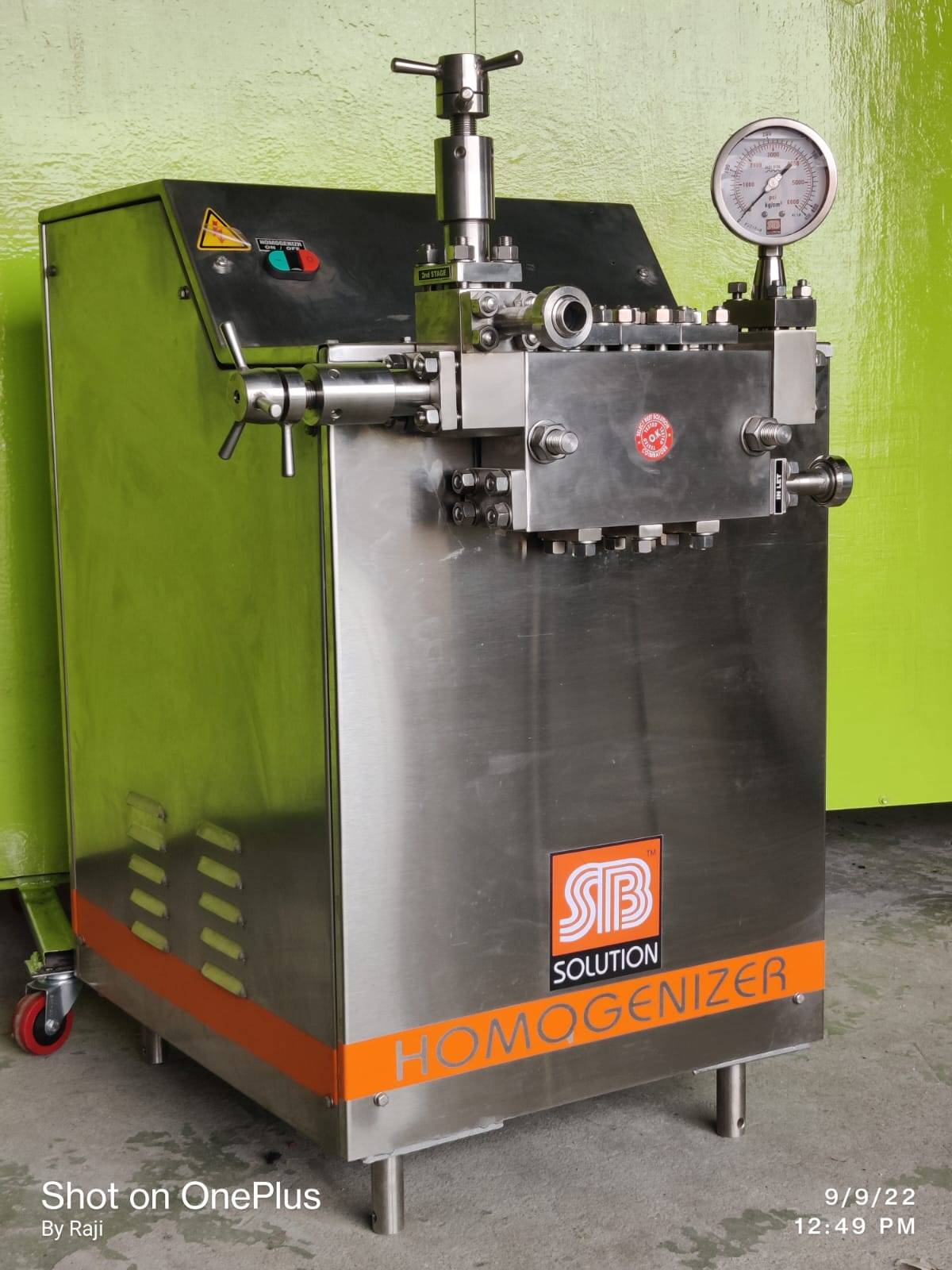 | Homogenizer Machine Manufacturers in Coimbatore - select best solution coimbatore View product → |
Frequently asked questions
What should you inspect first in an ice cream plant equipment circuit?
Trace the complete path from milk reception through mix preparation, pasteurization, homogenization, ageing, freezing, filling and cold storage. Check for dead legs, undrainable pipe sections and inaccessible valve cavities.
How do you validate a CIP cycle instead of trusting the programmed settings?
Review recorded time, temperature, chemical concentration and flow at critical circuit points. Confirm cleaning with visual inspections, rinse checks and microbiological or ATP testing where your sanitation plan requires it.
How should you schedule milk plant equipment maintenance?
Set inspection and replacement intervals using operating hours, product-contact risk and failure history. Give priority to pasteurizers, homogenizers, freezers, pumps, seals, valves and refrigeration equipment.
When should you stop an ice cream production line?
Stop the line for product-contact leaks, failed seals, contamination risks, loss of pasteurization control or unsafe refrigeration conditions. Adjust equipment only when the fault is understood and product safety remains controlled.
Keywords