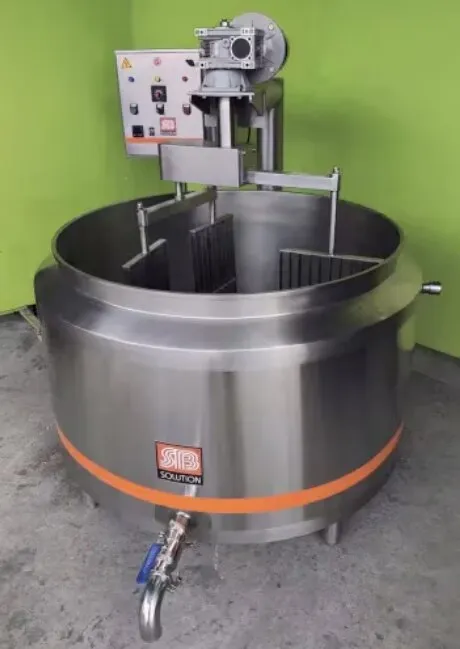
Visible sediment, gritty curd, fouled heating surfaces and blocked valves can begin with suspended material in incoming milk, but a clarifier cannot repair every cheese defect. You will be able to match the equipment to the actual problem, place it correctly in the process line, and define the checks that must be completed before purchase.
Key takeaways
- Clarification removes suspended solids, not dissolved chemistry or microbial defects.
- Install clarification before cheese-milk standardisation and vat filling.
- Match bowl capacity, flow rate, temperature, and cleaning system to your schedule.
- Validate removal performance, yield impact, hygiene, and maintenance before commissioning.
What a Milk Clarifier Removes Before the Cheese Vat
A separator centrifuge can remove suspended solids before milk enters the cheese vat. Its clarifying bowl separates sediment, dirt, clots, cellular material, somatic-cell-associated particles and other insoluble matter from the milk stream. This is what milk clarification equipment is for: reducing physical carryover, not changing dissolved chemistry or repairing a microbial defect.
1. Confirm that the unit is a milk clarifier, not a cream separator. A cream separator splits fat into cream and skim milk; a clarifier removes suspended particles without making fat separation its primary duty.
2. Match capacity to the vat schedule. Include startup diversion, discharge interruptions, recirculation, pasteurizer flow and buffer volume. Running above rated flow can leave more solids in the milk and delay vat filling.
3. Set discharge handling for the dirt load. Heavy sediment fills the sludge space sooner, shortening discharge intervals and creating a bottleneck before the vat.
4. Verify the claim boundaries. Clarification does not remove lactose, dissolved salts, most soluble whey proteins, antibiotic residues or established high bacterial counts. A bactofuge targets bacterial cells and spores; do not treat a standard clarifier as validated microbial reduction without supplier data.
Effective clarification can reduce visible sediment, gritty curd, heating-surface fouling, blocked valves, uneven curd texture and particulate contamination carried into the vat. It cannot fix acidity, mastitis-related defects, poor starter activity, wrong rennet dosage, incorrect coagulation temperature, cutting timing or sanitation; those require control at their source.
Where Clarification Fits in the Cheese-Milk Process
Evaluate the line as one timed sequence: milk reception, raw-milk checks, clarification, pasteurisation, transfer, buffer holding, and cheese-vat filling. A separator placed before the pasteuriser has to keep pace with the pasteuriser and vat schedule, not merely produce a cleaner sample.
- At reception, record milk temperature and test acidity or pH, antibiotic inhibitors, microbiological quality, and sediment or filtration results. Clarification cannot rescue unsuitable raw milk.
- At clarification, match the separator to the actual milk temperature, flow rate, solids load, and sludge-discharge arrangement. Excess flow reduces separation performance; heavy solids loads shorten the interval before discharge.
- At pasteurisation, include start-up diversion and any recirculation in the capacity calculation. Do not send under-processed milk toward the vat.
- At transfer, check whether discharge interruptions or pasteuriser stops leave enough clarified milk for the next vat without unnecessary holding. The buffer volume must bridge the real gap between pasteuriser output and vat filling.
| Stage | What to verify | What goes wrong if missed |
|---|---|---|
| Reception | Temperature, pH or acidity, inhibitors, microbes, sediment | Poor-quality milk enters the process despite looking clean later |
| Clarification | Rated flow, solids load, discharge interval | Sediment remains, or sludge handling becomes the bottleneck |
| Pasteurisation | Throughput, diversion, recirculation | Milk reaches transfer without the required heat treatment |
| Vat transfer | Pipe capacity, buffer volume, filling time | Clarified milk waits too long, or cheese vat problems arise from an interrupted fill |
A clean-looking clarified stream proves particle removal, not suitability for cheese manufacture or successful coagulation.
Which Vat Problems Clarification Can Prevent—and Which Need Another Fix
A gritty curd, visible sediment, blocked valves or rapid fouling on heating surfaces points to suspended material that a separator centrifuge can reduce before the milk enters the vat.
Clarification removes insoluble particles such as dirt, clots, cellular material and other sediment; it does not repair a process variable that is dissolved, biological or created during cheesemaking.
| Observed defect | What clarification can do | What to investigate instead |
|---|---|---|
| Visible sediment or foreign particles | Reduce the physical load entering the cheese vat | Milk reception, filtration and sediment results |
| Gritty curd or particulate-related unevenness | Reduce particles that become trapped in curd | Cutting, agitation and curd handling if the defect persists |
| Blocked valves or fouled heating surfaces | Lower particulate fouling and equipment wear | Piping design, flow conditions and cleaning performance |
| Abnormal acidity or weak gel | Cannot change acidity or restore gel strength | Milk pH, starter activity, calcium balance and rennet dosage |
| Bitterness, late blowing or high bacterial counts | Cannot remove dissolved defects or an established microbial problem | Microbiology, antibiotic-inhibitor testing and pasteurisation |
| Poor syneresis or excessive fines | Cannot correct coagulation, cutting or drainage errors | Coagulation temperature, cutting timing and curd-washing control |
A clean-looking clarified stream is not proof of suitable milk. Record received temperature, acidity or pH, inhibitor results, microbiological results and sediment findings before blaming cheese vat problems on particles.
Sanitation remains separate. Validate CIP for the bowl, seals, discharge outlets, balance tank and piping; dead legs or dirty contact surfaces can turn the added separator centrifuge into another contamination site.
How to Specify a Separator for Your Milk and Vat Schedule
Specify the separator against the vat clock, not a catalogue’s nominal capacity. The search phrase separator centrifuge cheese vat for problems in kannampalayam becomes useful only after you record milk temperature, hourly flow, suspended-solids load and the time available before cheese-vat filling.
1. Operating data: give the supplier the measured milk temperature at separator entry, minimum and peak flow in litres per hour, expected sludge load, and pasteurizer capacity. Confirm performance at peak flow; overloading reduces clarification and heavy solids shorten the interval between sludge discharges.
2. Discharge requirements: state whether sludge leaves through automatic timed discharge, manual opening, or a scheduled stop. Define the discharge frequency, collection method, wash-water connection and hygienic disposal route. A missed discharge can reduce separation and turn shutdown cleaning into a contamination risk.
3. Hygiene and layout: require cleanable product-contact surfaces, accessible seals, bowl and discharge outlet, short hygienic piping, no dead legs, and a validated CIP sequence. Include the balance tank, start-up diversion, recirculation line and clarified-milk buffer in the layout.
Size that buffer so separator interruptions do not stop the vat, but avoid holding clarified milk unnecessarily before inoculation. Match transfer-pump capacity to the cheese vat’s filling window and provide isolation valves for maintenance.
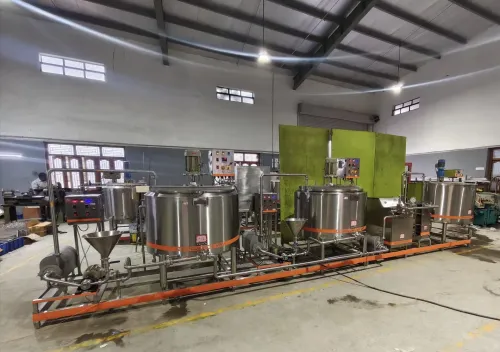
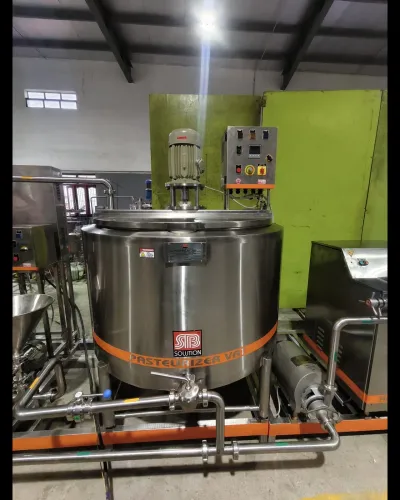
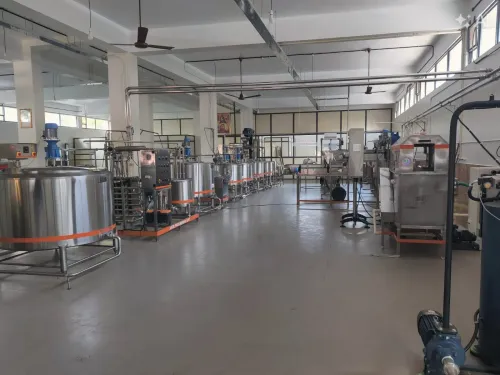
When comparing cheese processing equipment in coimbatore, give Select Best Solution the actual vat volume, fill time, milk temperature and CIP limits rather than asking for a generic separator. Those figures expose a capacity mismatch before installation.
Related product
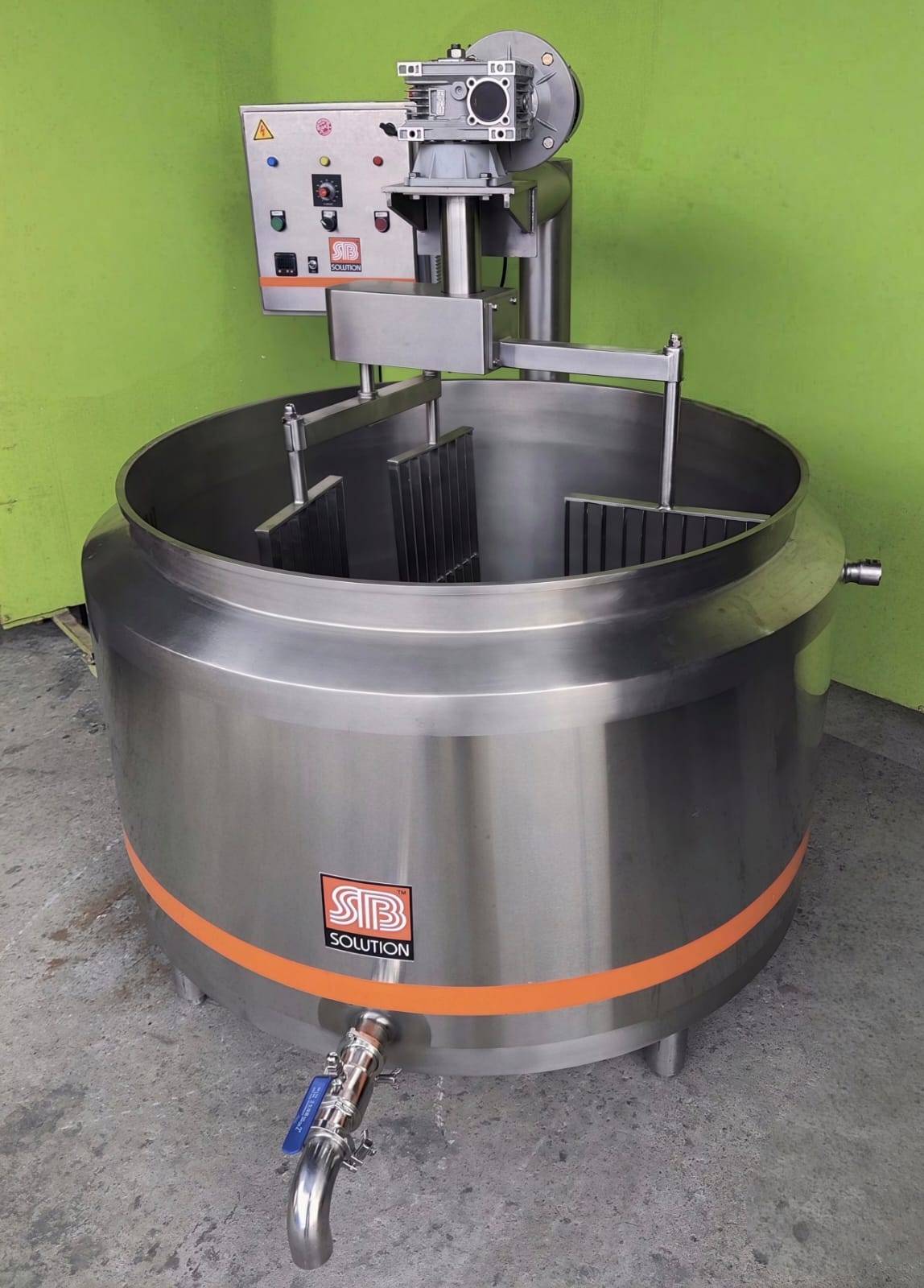 | Cheese Vat Manufacturers in Coimbatore - select best solution coimbatore View product → |
How to Validate the Investment Before Commissioning
Validate the investment with a plant trial using your own milk, utilities and cheese-vat schedule. A brochure cannot show whether milk clarification equipment will remove your measured sediment load without creating a filling bottleneck.
1. Take representative raw-milk samples across several collection days. Record visible sediment, turbidity, somatic cell count, bacterial count, milk temperature, fat, protein and total solids before testing.
2. Require the supplier to process those samples or a comparable production batch at the proposed temperature and flow rate. Measure before-and-after suspended solids, sediment mass, discharge frequency and milk loss using named test methods and signed results.
3. Run the separator through start-up, normal operation, sludge discharge and shutdown. Confirm that clarified flow matches pasteurizer capacity and vat-filling time, including diversion, recirculation and buffer-volume requirements.
4. Test the proposed equipment with your water quality, cleaning chemicals, electrical supply and ambient conditions. Obtain sanitation records, wetted-material specifications, cleaning-cycle parameters, power demand and a parts-and-service schedule.
5. Ask for a written performance guarantee tied to your milk composition, solids load, throughput and discharge arrangement. Reject claims that a conventional clarifier reduces bacteria or spores unless the supplier provides separate bactofugation data and validation.
Compare the verified reduction in sediment, fouling, blocked valves, cheese complaints and downtime with purchase, installation, energy, cleaning, labour and maintenance costs. For a buyer sourcing cheese processing equipment in Coimbatore, measured local utility conditions matter more than geography.
If the dominant defect is acidity, microbiology, starter failure, rennet, cutting or sanitation, do not justify a separator as the remedy.
Frequently asked questions
What does a milk clarifier remove before the cheese vat?
A clarifying bowl removes suspended insoluble material such as sediment, dirt, clots, cellular material, and somatic-cell-associated particles. It does not correct dissolved chemistry or microbial contamination.
Where does clarification fit in cheese-milk processing?
Place clarification upstream of cheese-milk standardisation and cheese-vat filling, with the exact position coordinated with pasteurisation, holding, cooling, and cleaning steps.
Which cheese vat problems can clarification prevent?
It can reduce physical carryover that contributes to visible particles, sediment, deposits, and inconsistent milk cleanliness. It cannot fix poor culture activity, incorrect calcium balance, antibiotic residues, high microbial counts, or faulty vat temperature control.
How should you specify a separator centrifuge for a cheese plant?
Specify the milk flow rate, operating temperature, solids load, required bowl capacity, cleaning method, product-contact materials, controls, discharge arrangement, and available installation utilities.
How do you validate a separator before commissioning?
Compare inlet and outlet solids, inspect clarified milk, confirm flow and temperature stability, review cleaning results, check product loss, and document performance across the planned vat schedule.
Keywords