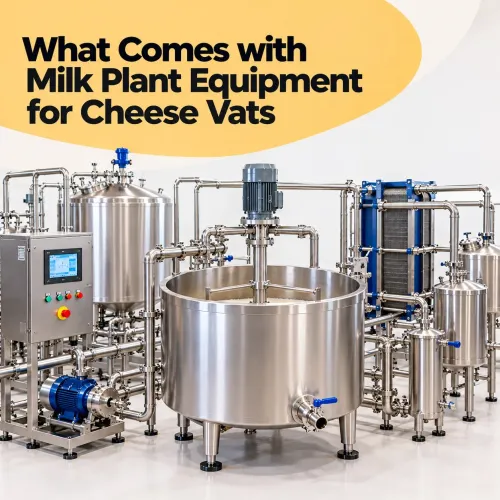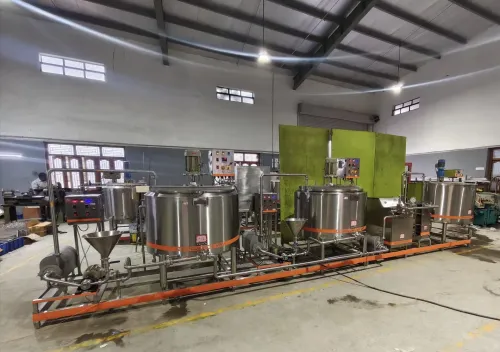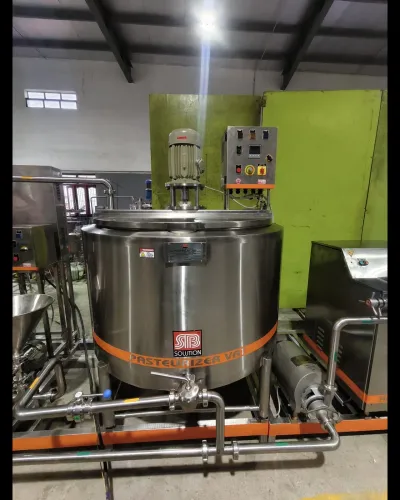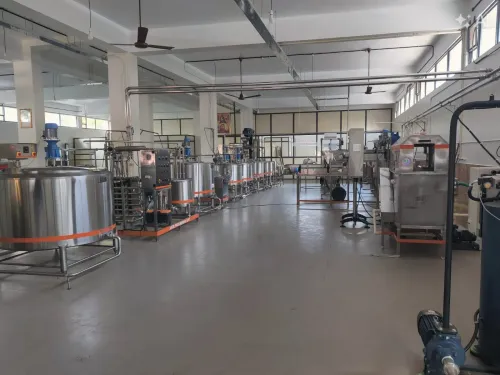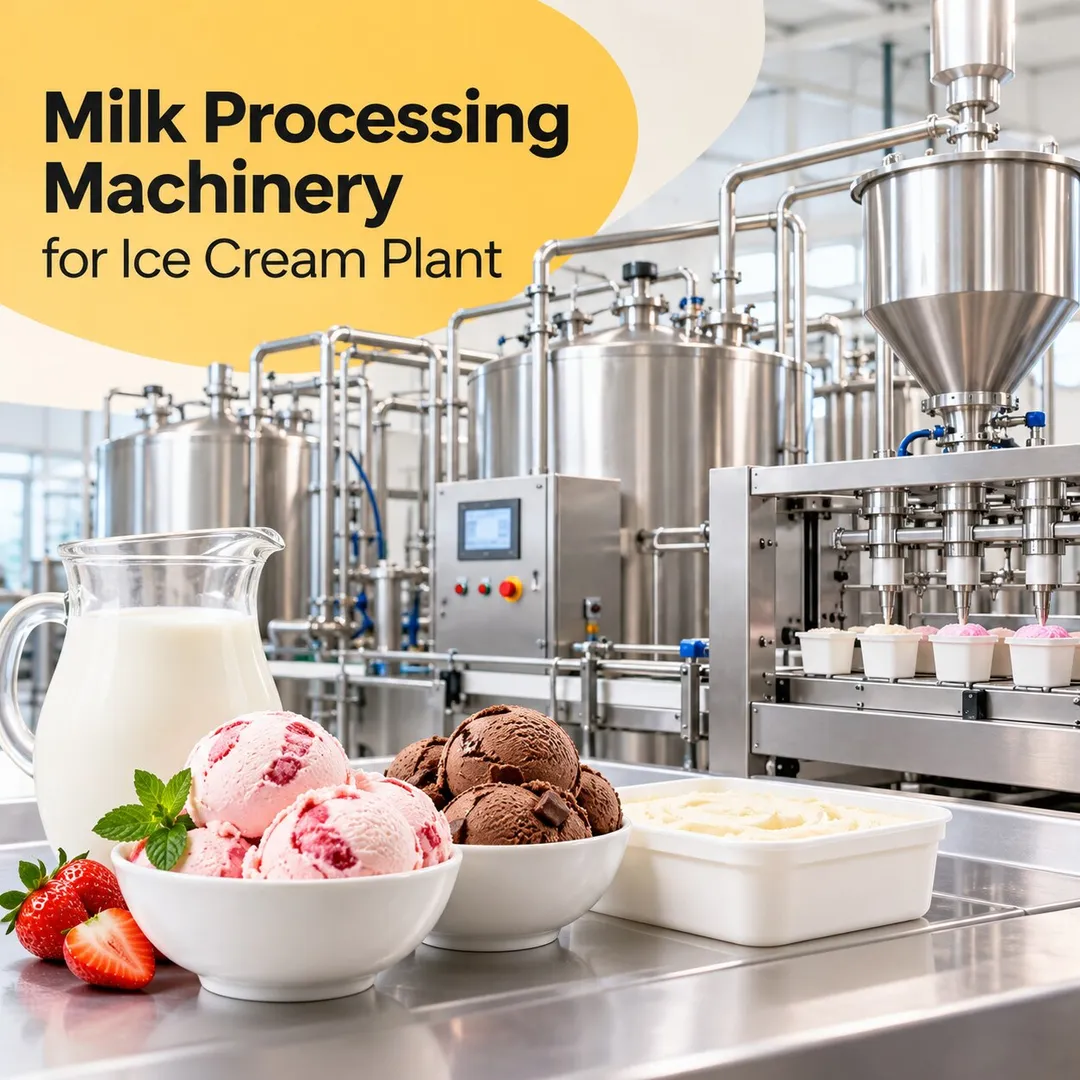
Size the plant from the products, batches, operating hours, and summer demand you must actually serve—not from a catalogue’s headline capacity. By mapping each process step, utility, cleaning cycle, and cold-storage requirement, you can compare equipment packages and identify bottlenecks before approving a purchase.
Key takeaways
- Size equipment from peak-day output after deducting cleaning, changeovers, maintenance, and defrosting.
- Map mixing, pasteurisation, homogenisation, ageing, freezing, filling, hardening, and storage before choosing machines.
- Choose batch or continuous processing based on product range, batch size, and required production rate.
- Compare suppliers on CIP design, utility loads, commissioning support, spare parts, and Coimbatore service response.
Size the line from demand, batch size, and peak-season load
Calculate capacity from the busiest planned day, not average monthly sales. For a milk processing machinery ice cream plant in Coimbatore, convert forecast demand into finished-product rate: peak-day kilograms ÷ productive operating hours. Remove time for changeovers, cleaning, maintenance and defrosting; a 10-hour shift rarely provides 10 hours of production.
Add the product mix, package sizes and required batch size to the purchase specification.
- Peak daily output = forecast peak-day sales × safety allowance for rejects and start-up losses.
- Required hourly output = peak daily output ÷ net production hours.
- Mix volume per batch = required batch count × recipe volume, matched to the pasteuriser and ageing-tank working volumes.
Size every stage against that result. A pasteuriser that handles 1,000 litres per hour does not deliver 1,000 litres per hour if ageing tanks hold only one 500-litre batch or the hardening cabinet clears product more slowly. Check the freezer, filler, hardening system and frozen store as well.
| Option | Capacity basis | Best fit |
|---|---|---|
| Batch equipment | Batch volume × cycles per shift | Varied flavours, smaller runs and frequent recipe changes |
| Continuous equipment | Steady hourly rate × net operating hours | High-volume products with long, stable runs |
| Hybrid line | Continuous core process with batch holding or filling | Seasonal demand and a broad package range |
Specify peak utilisation explicitly, including summer load, simultaneous cleaning and cold-store recovery. Then ask suppliers to prove the complete line rate, not just the milk intake.
Map every process step before selecting individual machines
Milk reception must connect to filtration, chilled storage, standardisation, premix preparation, pasteurisation, homogenisation, ageing, inclusion dosing, dynamic freezing, filling, hardening, and frozen storage. Size every transfer pump, balance tank, pipe, and control point across that chain; a fast freezer cannot rescue a slow upstream stage.
| Stage | Machines that must work together | Hidden constraint |
|---|---|---|
| Milk and mix preparation | Reception tank, filter, storage tank, standardisation system, premix vessel | Tank volume and transfer-pump speed delay the pasteuriser |
| Heat treatment | Mix tank, pasteuriser, homogeniser, hot-water system | Heating recovery and homogeniser flow can restrict hourly output |
| Ageing | Insulated ageing tanks, agitators, chilled water or glycol plant | Four to twelve hours at about 2–5°C requires enough tank volume for overlapping batches |
| Freezing and filling | Continuous or batch freezer, flavour or inclusion feeder, filler | Filling speed, hopper size, and cleaning changeovers limit freezer utilisation |
| Hardening and storage | Hardening cabinet or tunnel, refrigeration system, cold store | Freezing capacity is wasted if product enters storage warm or pallet space runs out |
Ageing is a frequent concealed bottleneck: insufficient insulated volume leaves the pasteuriser underused and starves the freezer. Packaging creates another; a filler sized below freezer discharge rate forces product hold-up and quality loss.
Specify potable process water, treated boiler or hot-water supply, chilled water or glycol, compressed air, electrical capacity, refrigeration, and CIP return for simultaneous pasteurisation, CIP, ageing, freezing, hardening, and cold storage. Searches for dairy plant machinery in coimbatore should therefore compare complete-line commissioning, not isolated machine rates.
Capture temperature records, cleaning cycles, batch traceability, and FSSAI-related controls in the layout.
Choose batch or continuous equipment for the product range
Choose batch equipment when your range includes frequent flavour changes, seasonal recipes, inclusions, or modest volumes. Choose continuous equipment when a few standard products run for long shifts at high, steady throughput. Batch systems reduce changeover risk; continuous systems reduce labour and product variation.
| Option | Best fit | Main trade-off |
|---|---|---|
| Batch | Diverse products, smaller runs, frequent recipe changes | More operator time, cleaning, and production breaks |
| Continuous | High-volume standard products with long runs | Higher capital cost and less flexibility during changeovers |
For ice cream production equipment in Tamil Nadu, give suppliers the actual summer design ambient temperature and cooling-water temperature. Higher conditions reduce air-cooled condenser capacity, increase compressor power, and can cause rising freezer outlet temperature or prolonged hardening.
Put these requirements in the equipment specification:
- Homogenisation: install it after heating, with two-stage operation where suitable, and a pressure range around 140–200 bar. Confirm the final setting against fat level, stabiliser, solids, body, and meltdown targets.
- Dynamic freezing: specify controllable air injection, mix-flow control, target outlet temperature, overrun control, and cleaning access. A litres-per-hour rating alone cannot protect texture or package volume.
- Filling: state container sizes, fill-weight tolerance, inclusion size, changeover time, and whether the machine handles cups, tubs, or cones.
- Hardening: specify the required product throughput, hardening temperature, residence time, and frozen-storage transfer rate so the freezer does not wait for an undersized hardening system.
Specify heat treatment, refrigeration, utilities, and CIP as one system
Specify the plant as a validated process system, not a collection of machines. The pasteuriser, refrigeration plant, utilities, instruments, CIP circuit, and records must prove that every batch was heated, cooled, handled, cleaned, and stored within defined limits.
Put these requirements in the purchase specification:
- Pasteurisation: a holding tube, automatic flow diversion, calibrated temperature probes, continuous time-temperature recording, alarms, and batch traceability. Check the formulation and treatment against the applicable FSSAI milk-product standard.
- Refrigeration: independent load calculations for ageing, dynamic freezing, hardening, and cold storage. State mix inlet temperature, freezer outlet range, hardening temperature, defrost logic, and standby capacity.
- Utilities: separate potable process water, treated boiler or hot-water supply, chilled water or glycol, oil-free compressed air, electrical supply, and CIP return. Size them for simultaneous production and cleaning, not nominal milk intake.
- CIP: caustic wash, intermediate rinse, acid wash, final rinse, recovery, and verified flow, temperature, concentration, and return conductivity. Design every product-contact line for turbulent flow, complete drainage, and inspection access.
Dead legs, trapped low points, unsuitable elastomers, and poorly placed spray devices create microbiological failures even when the equipment runs. Specify hygienic welds, drainable tanks, sealed bearings, food-grade gaskets, and documented cleaning recipes.
Require calibration certificates, batch and CIP reports, and alarm histories that an inspector can read. In Coimbatore, confirm local refrigeration and automation support, spare seals and bearings, and response times before accepting the design.
Compare suppliers on commissioning, service, and local operating conditions
Treat the quoted price as one line in a risk comparison, not the decision. A milk processing machinery supplier in coimbatore must prove who will commission the complete line, including the pasteuriser, homogeniser, ageing tanks, freezer, filler, hardening equipment, PLC, and refrigeration system.
| Supplier evidence | What to verify | Why it matters in Coimbatore |
|---|---|---|
| Commissioning plan | Named technicians, utility checks, trial batches, operator training, and signed performance records | A machine can run while the integrated line still misses output or temperature targets |
| Service response | Written response time and local availability of refrigeration, automation, and mechanical technicians | A failed freezer or PLC can stop every downstream operation |
| Spare-parts support | Stock or lead time for seals, bearings, sensors, valves, and imported compressor or control parts | Low purchase cost disappears during a long production stoppage |
| Local capability | References for fabrication, pipe modification, calibration, and hygienic repairs | Changes to utilities or layouts need fast, food-safe work |
| Operating fit | Confirmation of electrical load, water quality, ambient heat, refrigeration capacity, and monsoon-related access | Summer peaks expose undersized cooling and hardening systems |
Ask for two operating references with similar product mix and package sizes, then speak to their maintenance managers. Select Best Solution deserves comparison on this evidence, not on catalogue capacity alone.
Before awarding the order, require:
- A commissioning schedule showing factory tests, site tests, trial recipe, and acceptance criteria.
- A spare-parts list with prices, stock location, and delivery time.
- A service agreement covering calibration, preventive maintenance, emergency attendance, and software backups.
Frequently asked questions
How do you calculate ice cream plant capacity?
Divide peak-day finished-product kilograms by productive operating hours after removing time for changeovers, cleaning, maintenance, and defrosting.
What process steps must an ice cream plant line include?
Map ingredient handling, mixing, heat treatment, homogenisation, ageing, freezing, filling, hardening, cold storage, and cleaning before selecting individual machines.
Should an ice cream plant use batch or continuous equipment?
Choose batch equipment for varied products and smaller runs; choose continuous equipment when demand and recipes support steady, high-volume production.
What should you specify together when buying dairy plant machinery?
Specify heat treatment, refrigeration, utilities, controls, and clean-in-place systems as one integrated design so capacities and connections match.
How should you compare an ice cream machinery supplier in Coimbatore?
Request a written commissioning plan, operator training, service response terms, spare-parts availability, utility requirements, and support for local operating conditions.
Keywords