An ice-cream mix line must control more than pasteurization temperature: it must move a viscous product through preparation, holding, homogenization, rapid cooling and ageing without losing hygienic control. By the end, you will be able to map the process, compare batch and continuous systems, and assess equipment capacity using real product and utility data.
Key takeaways
- Test milk for acidity, antibiotics, temperature and contamination before blending.
- Choose pasteurization controls that record temperature, holding time and diversion events.
- Size refrigeration, heat transfer, power and CIP systems for peak production.
- Compare suppliers using capacities, materials, controls, utilities and documented performance.
From Milk Reception to Aged Ice-Cream Mix: The Complete Process Route
Milk arrives chilled, is weighed, sampled for acidity, antibiotics, temperature and visible contamination, then filtered into a refrigerated balance tank. Approved milk is blended with cream, sugar, milk-solids-not-fat, stabilizers and emulsifiers; dry ingredients need controlled dispersion to prevent lumps and sediment.
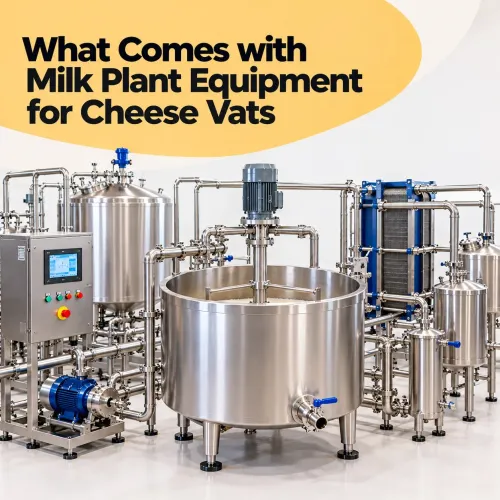
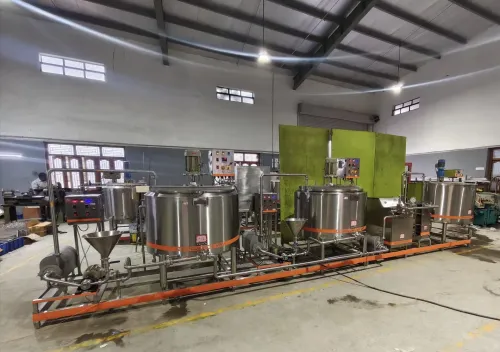
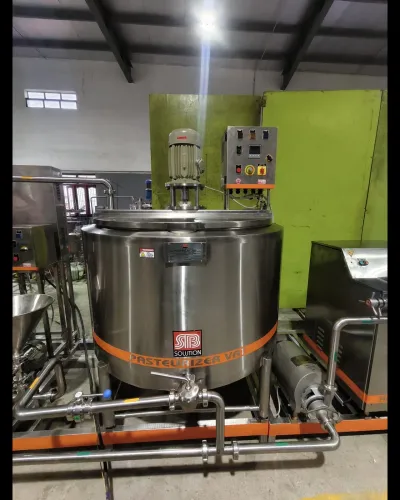
1. The balance tank feeds a measured mix into the pasteurizer. A batch plant heats the entire blend in a jacketed vat, holds it for the selected time and transfers it onward. A continuous plant uses a balance tank, regenerative plate or tubular heat exchanger, flow-control valve and holding tube.
2. Use an ice-cream-mix schedule, not automatically the 72°C/15-second milk HTST schedule. Common equivalents are 69.4°C for 30 minutes or 79.4°C for 25 seconds, with the chosen condition recorded in the validated process specification.
3. The holding tube provides the required residence time. If the temperature falls below the set point, a diversion valve returns product instead of sending an under-processed mix forward.
4. Homogenization normally follows heating while the mix is warm. It reduces fat globule size, but high solids, stabilizers and fat raise viscosity, pressure drop and fouling risk.
5. The milk pasteurization and cooling system then regenerates heat and rapidly cools the mix to about 4°C or below through chilled water or glycol. Holding warm increases microbiological risk and damages flavour.
6. Hygienic piping transfers the cooled mix to an ageing tank. Hold it at about 2–5°C for roughly 4–12 hours so proteins and stabilizers hydrate and milk fat partially crystallizes, improving body and whipping performance.
Choosing Pasteurization Conditions and Control Method
Use 69.4°C for 30 minutes or 79.4°C for 25 seconds for an ice-cream mix, subject to the applicable food-safety schedule and HACCP validation. Do not substitute the 72°C/15-second milk HTST setting automatically; 21 CFR 135.110 identifies different ice-cream alternatives. Select batch or continuous processing according to production volume, mix viscosity and required control evidence.
| Option | Time-temperature choice | Control and trade-off |
|---|---|---|
| Batch pasteurizer | 69.4°C for 30 minutes | Suits variable recipes and smaller runs. Confirm the entire batch reaches temperature, hold time starts only after heating, and the vessel agitator prevents cold zones. |
| Continuous HTST | 79.4°C for 25 seconds | Suits steady production and lower labour per litre. Use a legal holding tube, calibrated temperature sensor, flow-diversion device, and independent temperature and flow recording. |
| 72°C/15-second HTST | Not the default ice-cream specification | Use only when the applicable standard and validated process approve it. A temperature display alone cannot prove holding time. |
Choose ice cream processing equipment as a complete milk pasteurization and cooling system, not as a tank with a heater. After holding, cool the mix rapidly to approximately 4°C or below before transfer to ageing. Warm hold-up increases microbiological risk and can damage flavour.
Request these controls and guarantees before purchase:
- Validated temperature and holding-time records, including diversion response.
- Guaranteed cooling time and outlet temperature at maximum solids, fat and viscosity.
- Heat-exchanger area, pressure drop, minimum and maximum batch size, CIP flow and hygienic transfer details.
- Refrigeration capacity at Coimbatore’s peak ambient conditions, plus electrical capacity, water quality and seasonal cooling-water temperature.
Where Homogenization, Final Cooling and Ageing Fit
Place the homogenizer immediately downstream of the pasteurization holding section, while the mix remains hot and fluid, then send the homogenized mix through regeneration and final cooling. This makes homogenization part of the pasteurization-side process rather than a cold-side operation.
Placing it after ageing increases viscosity and pressure drop, while a poorly selected unit can leave fat droplets insufficiently dispersed.
The line should follow this order:
- Pasteurized mix leaves the holding tube and enters the homogenizer at the specified inlet temperature and pressure.
- The homogenized mix passes through regeneration, transferring heat to incoming cold mix without contaminating either stream.
- Chilled water or glycol then brings the mix rapidly to about 4°C or below before transfer to the ageing tank.
Final cooling is not hardening. It cools liquid mix to a safe ageing temperature; the continuous freezer later freezes part of the water and incorporates air.
Ageing at approximately 2–5°C for about 4–12 hours hydrates proteins and stabilizers and allows milk fat to partially crystallize. Those changes improve whipping, overrun, body and melt resistance. Shortening the hold can produce weak or coarse texture, unless the formulation and ice cream processing equipment are designed for accelerated or inline ageing.
Specify the cooling time, outlet temperature, tank agitation and maximum mix viscosity, not just tank volume or chiller capacity.
Sizing Heat Transfer, Refrigeration, Power and CIP Capacity
Tank volume and compressor horsepower do not size a reliable line. Size it from the mix flow, inlet temperature, target outlet temperature, specific heat, viscosity and required cooling time. A high-fat mix containing milk-solids-not-fat, stabilizers and emulsifiers transfers heat less readily than water-like milk and creates greater fouling and pressure drop.
Ask the supplier to state these design values for the ice cream processing equipment:
- Heat-exchanger area and the design product flow in kilograms per hour
- Minimum and maximum batch size, maximum mix viscosity, and maximum fat and total-solids content
- Product-side pressure drop at the stated flow and viscosity
- Time required to cool pasteurized mix to the guaranteed outlet temperature, normally 4°C or below before ageing
- Validated pasteurization records, including holding temperature, holding time and diversion response
- CIP flow rate, return velocity, supply pressure, chemical concentration, temperature and recovery-tank capacity
Size refrigeration from the actual cooling duty and peak ambient conditions, not catalogue horsepower. Verify chilled-water or food-grade glycol supply temperature, return temperature and flow; direct-expansion refrigerant must remain outside the product side. A system rated at a cooler condenser-water condition can lose capacity during Coimbatore summer operation.
For dairy plant machinery in coimbatore, record available electrical kVA, water hardness and microbiological quality, seasonal cooling-water temperature, and simultaneous loads from homogenization, pumps, ageing tanks and CIP. Check ageing-tank turnover and CIP recovery separately: either can become the bottleneck while the pasteurizer still meets its nominal hourly rating.
What to Specify When Comparing a Coimbatore Ice-Cream Plant Package
Before selecting an ice cream plant milk pasteurization and cooling system in Coimbatore, demand evidence for the complete process package, not only the pasteurizer’s hourly rating. Request these documents:
- Guaranteed mix throughput, pasteurization temperature and holding time, outlet temperature of 4°C or below, homogenizer capacity, ageing-tank turnover, and cooling duty at peak production.
- A process-and-instrumentation diagram showing the balance tank, holding tube, flow-diversion valve, homogenizer, regeneration section, final cooler, ageing tanks, CIP circuit, and hygienic transfer lines.
- Temperature and flow records from a factory acceptance test, plus calibration certificates for product sensors, recorders, and safety interlocks.
- CIP cycle times, recovery volume, chemical concentration, return temperature, and confirmation that the system drains without stagnant pockets.
For sanitary construction, inspect weld samples and internal photographs. Product-contact surfaces should use AISI 304, or AISI 316/316L where product or cleaning chemicals justify it; smooth, drainable welds and chemically compatible elastomers matter more than material grade alone.
| Check | Evidence to request | Failure exposed |
|---|---|---|
| Electricity | Connected load, starting current, voltage, phase, and transformer requirement | Trips or insufficient compressor output |
| Water | Potability, hardness, TDS, pressure, flow, and filtration specification | Scaling, poor CIP, or unstable cooling |
| Summer conditions | Rated ambient temperature and condenser-water temperature | Lost refrigeration capacity during hot weather |
| Utilities | Steam pressure, drain size, compressed-air quality, and chilled-water or glycol duty | A package that cannot run at design rate |
Ask Select Best Solution to state these figures for the proposed ice cream plant in Coimbatore, and compare them against your site survey for dairy plant machinery in Coimbatore.
Related products
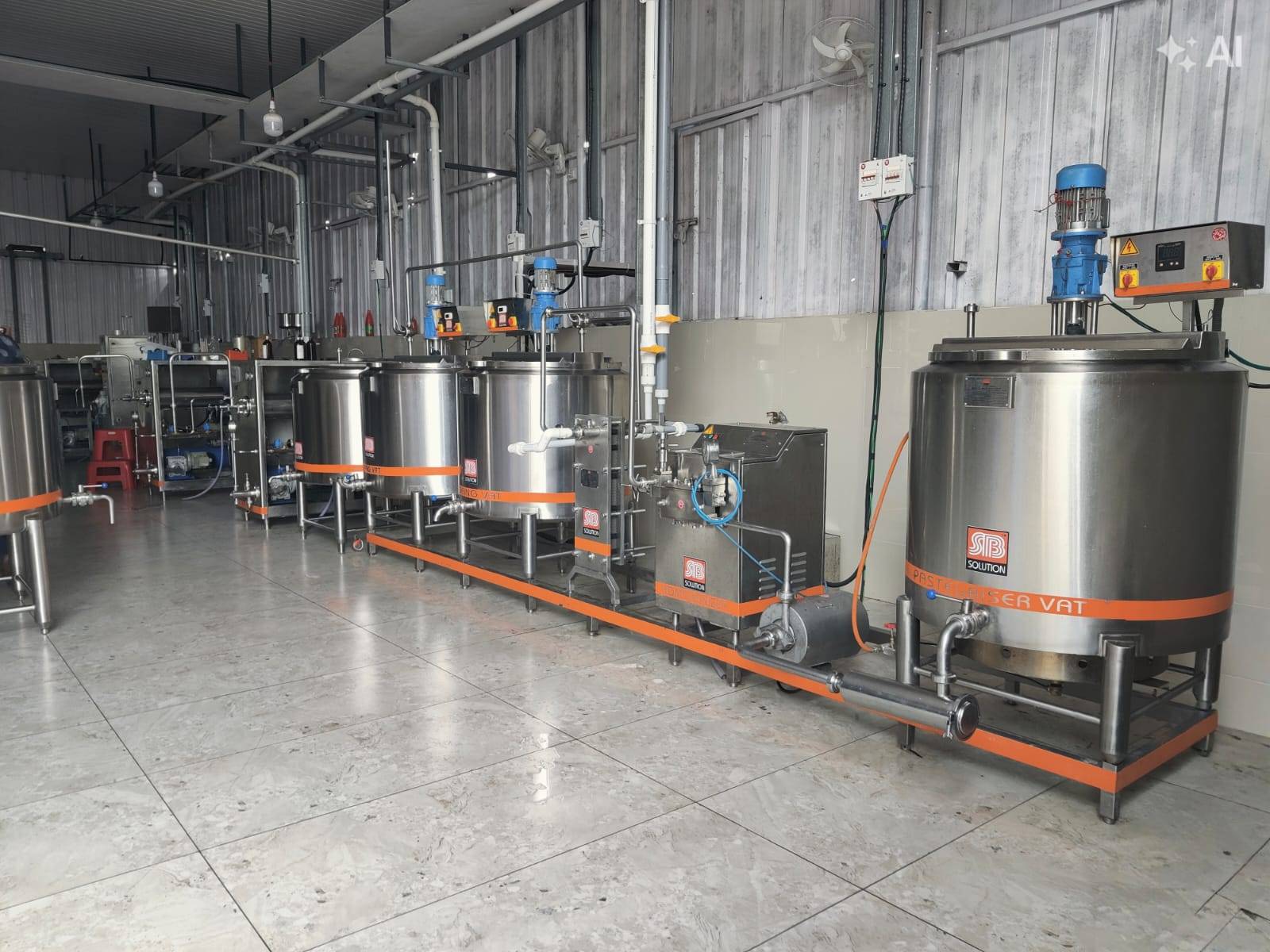 | Ice Cream Plant manufacturer in Coimbatore - select best solution coimbatore View product → |
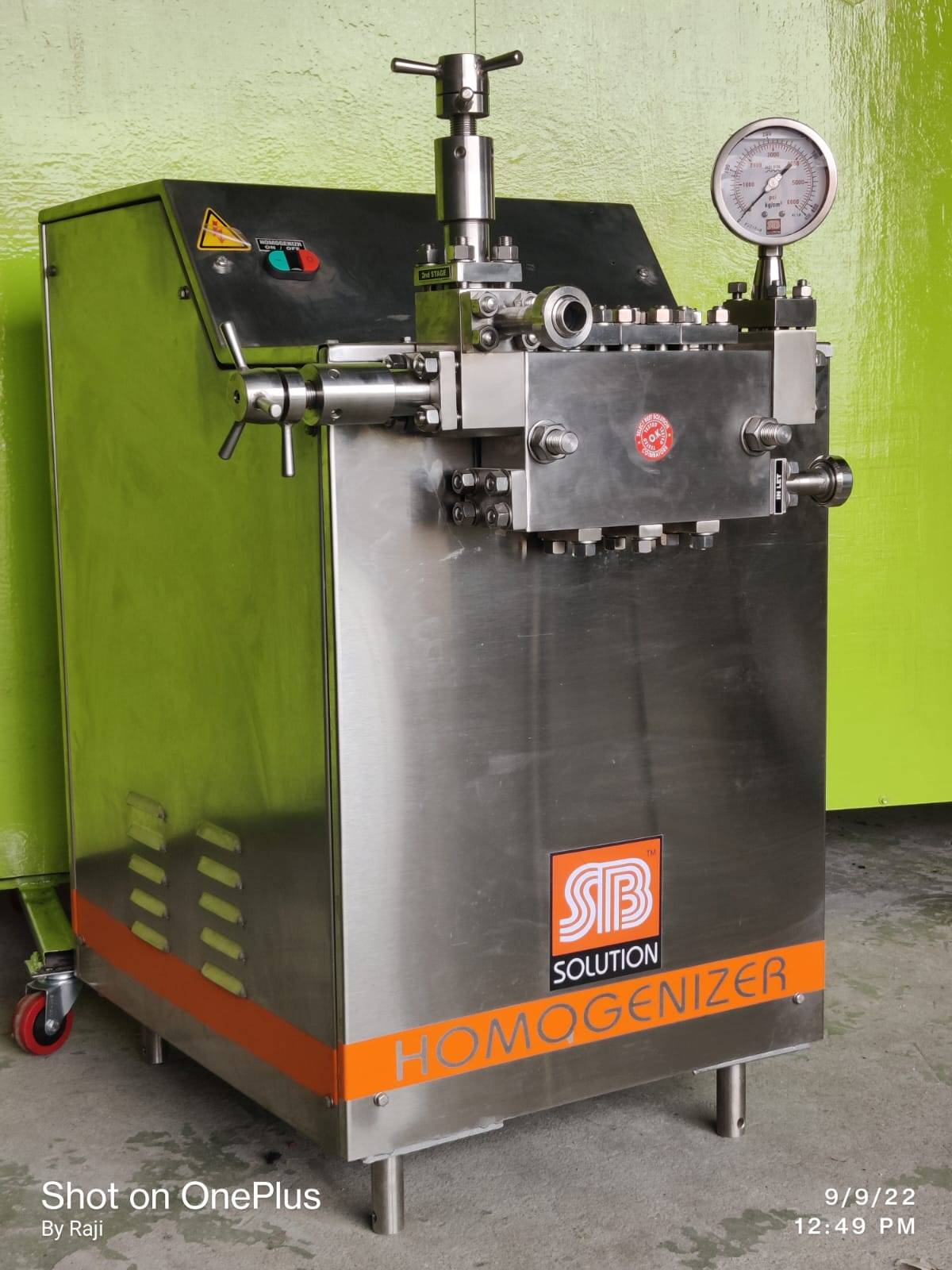 | Homogenizer Machine Manufacturers in Coimbatore - select best solution coimbatore View product → |
Frequently asked questions
What is the process route from milk reception to aged ice-cream mix?
The route includes milk reception and testing, filtration, refrigerated storage, ingredient blending, controlled dispersion, pasteurization, homogenization, final cooling and ageing before freezing.
How do you choose ice-cream mix pasteurization conditions and controls?
Specify the product recipe, legal requirements, target temperature and holding time, then require calibrated sensors, recorded data and automatic flow diversion when conditions are not met.
Where do homogenization, final cooling and ageing fit?
Homogenize the hot mix after pasteurization or within the validated heat-treatment route, cool it rapidly to the ageing temperature, then hold it in an insulated ageing tank before freezing.
What capacity details should you compare for an ice-cream plant package?
Compare hourly mix throughput, heat-exchanger duty, cooling capacity, refrigeration load, electrical power, tank volume, CIP flow and chemical, water and drainage requirements.
Keywords