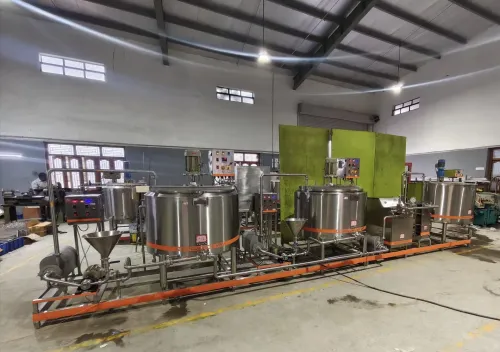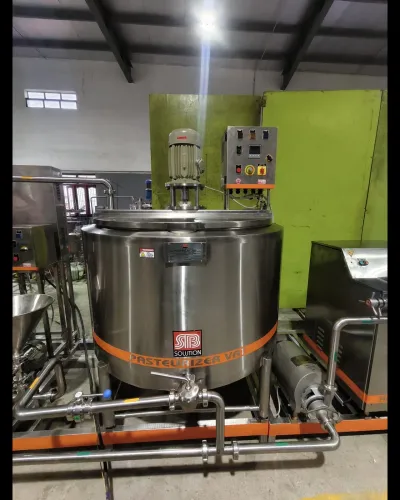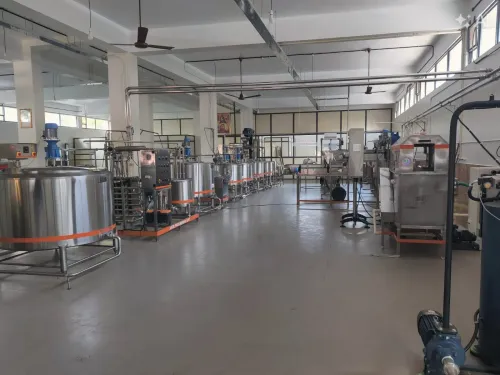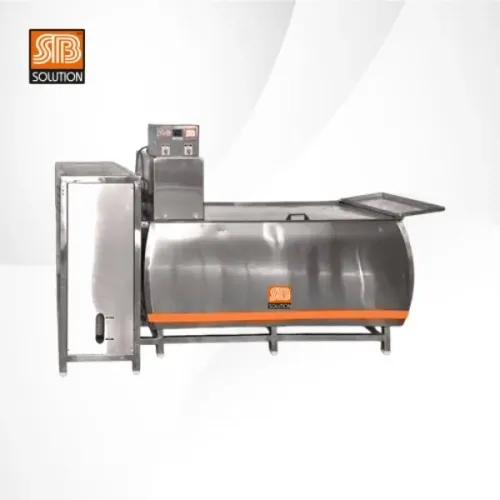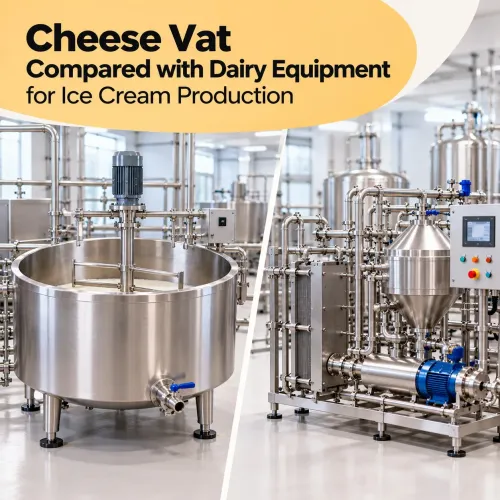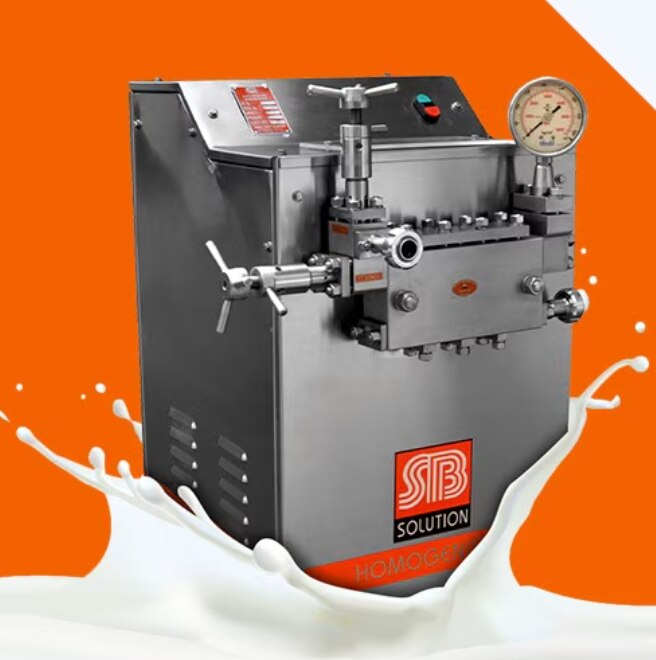
Ice cream mix requires more than a machine with a high pressure rating: temperature, fat content, solids, viscosity, flow rate and valve configuration determine whether homogenization improves body and stability or creates extra cost and wear. By the end, you will be able to specify the equipment, compare batch and continuous layouts, test supplier claims and identify when a homogenizer is not the solution to your process problem.
Key takeaways
- Install homogenization after pasteurization and before cooling, ageing and freezing.
- Specify inlet temperature, flow rate, pressure stages, product viscosity and cleaning method.
- Compare suppliers on test data, service response, spares and documented machine specifications.
- Use pressure, temperature and valve checks to trace texture, leakage and flow faults.
How homogenization changes ice cream mix
Homogenization belongs after blending and pasteurization, while the ice cream mix is still hot and before cooling, ageing and freezing. A positive-displacement pump forces the mix through a narrow homogenizing valve at high pressure, breaking large fat globules into much smaller ones.
This slows cream separation and creates a more stable emulsion, helping the finished ice cream develop smoother body and consistent overrun.
1. Heat the blended mix to about 65–75 °C before homogenization. At this temperature, milk fat remains sufficiently liquid for subdivision. Process a partially crystallized fat phase and the emulsion can become unstable, producing uneven texture and variable overrun.
2. Select working pressure from the recipe, not from the machine’s maximum rating. Many mixes are evaluated around 100–250 bar, but fat percentage, total solids, sugar, stabilizer, emulsifier and target texture change the result. Higher pressure consumes more power, increases wear and can over-process the mix.
3. Use a two-stage valve when the formulation needs stronger control of fat destabilization and dispersion: the first stage reduces globule size, while the second breaks up clusters formed after the first valve. A single stage can suit a simpler mix, but confirm performance at its actual viscosity and temperature.
When comparing a milk homogenizer for dairy production, ask for capacity at the specified ice cream-mix temperature and pressure. A milk processing machinery homogenizer machine selected for ice cream manufacturers must handle the mix viscosity, not merely advertise a high litres-per-hour figure.
Pressure, temperature and valve stages that control texture
Start trials around 100–250 bar, then adjust for fat percentage, total solids, sugar, stabilizer-emulsifier system and target texture. Higher pressure reduces fat-globule size, but it also raises motor load, electricity use, wear-part consumption and cooling demand.
Set product temperature before the valve, commonly around 65–75°C for an ice-cream mix. A cold mix increases viscosity and can leave unstable fat crystals; excessive heat can damage proteins and complicate flavour or ageing control. Confirm the permitted range with the formulation and supplier.
| Valve choice | Pressure basis to compare | When it fits |
|---|---|---|
| Single-stage | About 100–200 bar through one valve | Simple mixes where trials show adequate dispersion and limited separation |
| Two-stage | First stage about 100–250 bar; second stage often 20–50 bar | Higher-fat or higher-solids mixes needing improved emulsion stability and smoother body |
| Two-stage with reduced pressure | Trial-led first-stage pressure plus a low second stage | Mixes that become over-processed, excessively viscous or too strongly fat-destabilized at high pressure |
A two-stage valve is not automatically better. Excessive pressure can produce a heavy body, reduce processing margin and alter overrun; insufficient pressure leaves larger globules and increases creaming risk.
For a homogenizer machine ice cream plant, require separate figures for normal working pressure, maximum allowable pressure and relief-valve setting. Ask for capacity at the stated temperature and viscosity, not only nominal litres per hour.
Your milk processing machinery specifications should also state inlet-pressure requirement, minimum and maximum flow, motor rating, number of stages and permitted start-up condition. Test every bidder on the same mix and temperature.
Sizing the machine and writing a usable specification
Quote output against the actual ice-cream mix, not water. Higher total solids and viscosity reduce pump flow, so require capacity in litres per hour at the stated recipe, temperature and working pressure. Confirm whether the figure is continuous or batch-based.
Request these milk processing machinery specifications before accepting a quotation:
- Product basis: fat, total solids, viscosity, inlet temperature and target flow.
- Pressure: normal operating pressure, maximum allowable pressure and relief-valve setting; include first- and second-stage pressures.
- Construction: product-contact parts in 316L stainless steel, hygienic connections, surface finish, elastomer material, valve-seat material and replaceable wear parts.
- Utilities: motor rating, electrical supply, cooling-water flow, compressed-air requirement, inlet pressure and CIP supply conditions.
- Controls: pressure gauges or transmitters, product-temperature measurement, flow indication, overload protection, emergency stop, recipe settings and permitted start-up condition.
A homogenizer machine for an ice cream plant should be rated for hot mix, commonly 65–75 °C, after heating and before the required pasteurization or holding step. State the minimum and maximum flow range, because a machine that performs well only at full load will struggle during changeovers.
Compare every bidder on identical conditions:
| Basis | Request from each bidder | Why it matters |
|---|---|---|
| Capacity | Same recipe, temperature and working pressure | Prevents misleading litres-per-hour claims |
| Utilities | Motor, cooling water, CIP and electrical load | Reveals running cost and installation work |
| Documentation | Drawings, manuals, certificates and service response | Supports commissioning and maintenance |
A supplier’s specification must also state noise level, two-stage configuration, CIP method and local service response time.
Batch or continuous operation, cleaning and fault diagnosis
Choose batch recirculation for variable recipes and short runs; choose continuous operation for steady production and repeatable flow. A milk homogenizer for dairy production needs capacity based on ice-cream mix viscosity, not water-like litres per hour.
| Layout | Best fit | Main limitation |
|---|---|---|
| Batch recirculation | Multiple recipes, pilot production, frequent changeovers | Longer processing time and repeated heat exposure |
| Continuous | One or more stable recipes, high daily throughput | Requires balanced tanks, pumps and uninterrupted feed |
Specify clean-in-place (CIP) with pre-rinse, alkaline wash, acid wash, final rinse and documented time, temperature and chemical concentration. Provide access to inspect the homogenizing valve, seats, pump seals and pressure gauge; replace worn seats before pressure becomes unstable. Keep the relief valve set below maximum allowable pressure, and record normal pressure separately.
A homogenizer machine ice cream plant operators use should start only with product at the permitted temperature and an open, liquid-filled feed path. Never dead-head the pump. Record inlet pressure, outlet pressure, mix temperature, flow and motor load for every run.
Separate machine faults from recipe or ageing problems by testing the same mix immediately before ageing and after ageing. Falling flow, pulsing pressure or rising motor load indicates the machine or feed system; stable readings with coarse texture point to fat crystallisation, incorrect solids, stabilizer hydration or excessive ageing.
Confirm with a water-rinse test and valve inspection before changing the formulation.
How to compare a homogenizer supplier in Tamil Nadu
Reject any quote that states only litres per hour. Ask every homogenizer supplier in Tamil Nadu to price the same mix composition, fat and solids level, 65–75 °C inlet temperature, working pressure, flow rate, electrical standard, CIP method, noise level and utility limits.
A milk processing machinery homogenizer machine must be tested on the mix that ice cream manufacturers actually run, not water or thin milk. Request capacity at normal operating pressure, not maximum pressure, and separate maximum allowable pressure from working pressure and relief-valve setting.
- Confirm the viscosity assumption, pump flow, motor rating, one- or two-stage valve, inlet-pressure requirement and continuous or batch basis.
- Require the P&ID, general-arrangement drawing, electrical schematic, operating manual, spare-parts list, material certificates for product-contact parts and CIP procedure.
- Put acceptance targets in writing: product temperature, pressure, flow, noise, leakage, stable operation and signed commissioning data at your recipe.
- Price electricity, cooling load, seals, valve parts, lubrication, planned service visits, downtime and local response time over five years.
| Supplier evidence | Compare | Warning sign |
|---|---|---|
| Application fit | Recipe trial at stated temperature, viscosity, pressure and flow | Water-only demonstration |
| Quotation | Machine, installation, freight, taxes, spares and warranty listed separately | “Capacity” without test conditions |
| Commissioning | Signed pressure, flow and leak results | No acceptance criteria |
| Lifetime cost | Power and wear-part estimates with service intervals | Highest pressure presented as automatically best |
Ask Select Best Solution to provide these figures in the same format as competing bids; matching evidence matters more than a lower headline price.
Related products
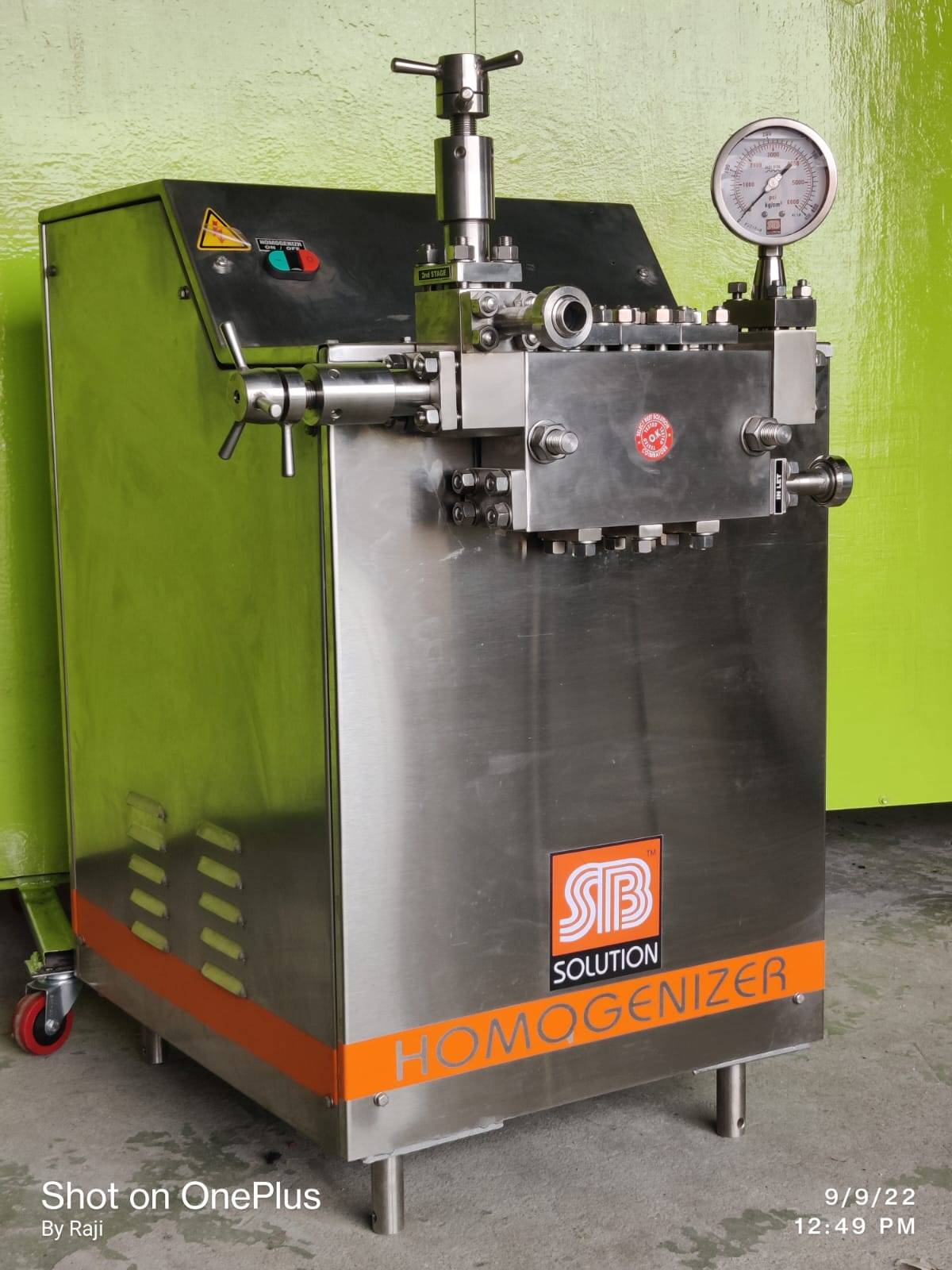 | Homogenizer Machine Manufacturers in Coimbatore - select best solution coimbatore View product → |
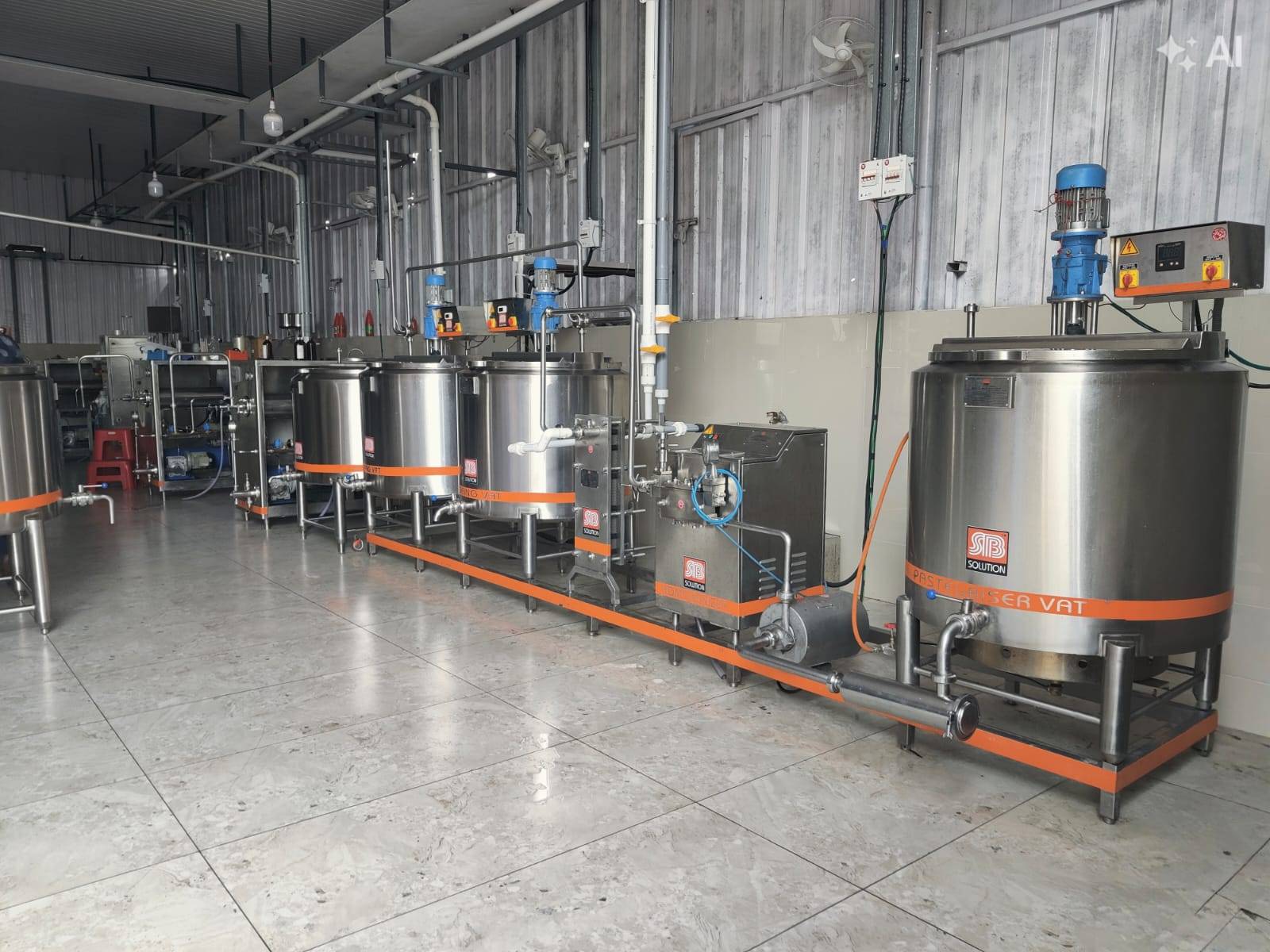 | Ice Cream Plant manufacturer in Coimbatore - select best solution coimbatore View product → |
Frequently asked questions
Where does homogenization fit in ice cream production?
Homogenize the blended mix after pasteurization while it remains hot, then cool, age and freeze it.
What controls ice cream texture in a homogenizer?
Inlet temperature, total pressure, first- and second-stage valve settings, flow rate and mix composition control fat dispersion and texture.
What should a homogenizer specification include?
State the hourly capacity, product temperature, operating pressure, number of stages, wetted materials, motor details, cleaning method and required utilities.
How do batch and continuous homogenizers differ?
Batch systems suit smaller or varied recipes, while continuous systems support steady production and easier integration with pasteurization and cooling lines.
How should you compare a homogenizer supplier in Tamil Nadu?
Request a written specification, product trial data, installation scope, cleaning procedure, spare-parts list, warranty terms and local service response time.
Keywords